
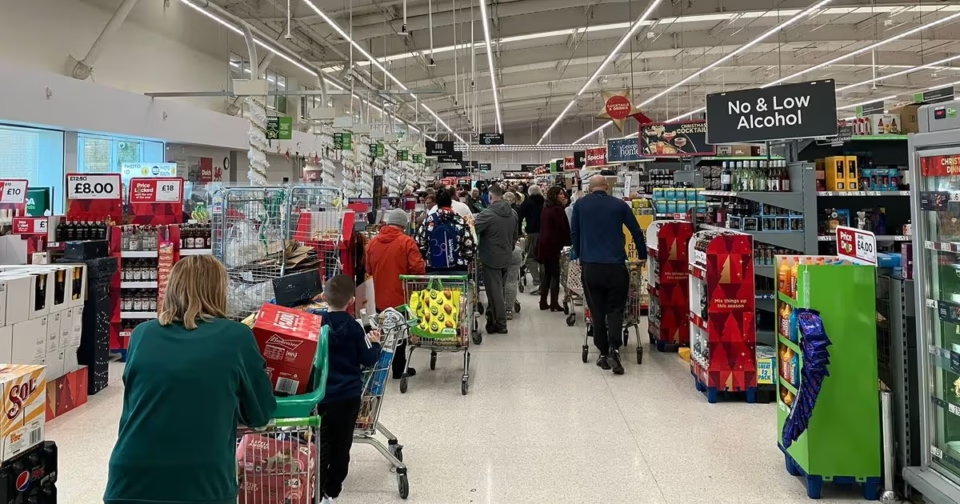
After more than two years of declining sales, Asda is finally showing signs of recovery. For many people in the retail industry, this is welcome news. It is encouraging to see one of Britain’s biggest supermarket chains moving in the right direction again.
According to the latest industry figures, Asda’s total till sales increased by 1% during the four weeks to 12 July 2026, marking the retailer’s first period of sales growth in more than two years.
The improvement did not happen overnight. Over the past year, Executive Chairman Allan Leighton has introduced a turnaround strategy focused on lower prices, better product availability, improved stores and rebuilding customer confidence. Earlier this year, Asda also reported that product availability had reached its highest level in eight years, helping to improve the shopping experience.
Asda still faces challenges. The supermarket continues to compete against strong rivals including Tesco, Aldi and Lidl, while also recovering from major IT changes and years of underinvestment. Despite reporting significant financial losses during its turnaround programme, management has remained committed to investing in lower prices rather than chasing short-term profits.
For this writer, seeing Asda return to growth is a relief.
Competition is essential for the UK grocery market. A strong Asda benefits consumers through lower prices, greater choice and better value. Britain’s supermarket industry is healthier when all of the major retailers are performing well and competing aggressively for customers.
The latest figures are only the beginning, and nobody is suggesting the recovery is complete. However, after such a difficult period, this first return to growth is an important milestone. If Asda continues to improve availability, maintain competitive prices and invest in its stores, the retailer could gradually regain the market share it has lost over recent years.
For now, Asda finally has something it has not enjoyed for a long time—positive momentum.