
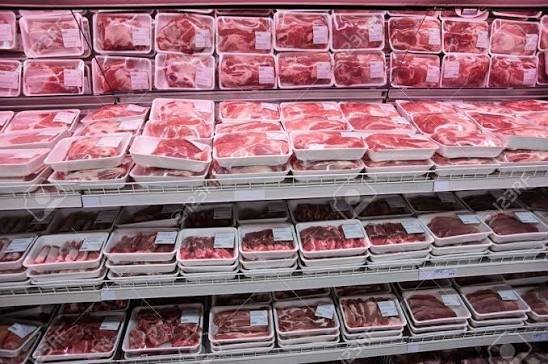
America’s supermarket industry is facing an unusually close examination from Washington as the US Department of Justice expands its investigation into the rising cost of beef from the meatpacking industry to some of the country’s biggest retailers.
The investigation now reaches the supermarket checkout, with Walmart, Costco, Kroger, Albertsons, Aldi, Publix and Ahold Delhaize USA, as well as Amazon, among the eight major retailers asked to provide information to the Department of Justice.
For shoppers, the issue is straightforward: beef has become considerably more expensive. For retailers, however, the situation is far more complicated. Supermarkets do not control the number of cattle available, the cost of processing meat or the prices demanded by suppliers, but they ultimately face the consumer when prices appear on the shelf.
The DOJ is now asking retailers for information covering their beef sales and prices, wholesale purchasing, costs, margins and pricing strategies. The purpose is to understand what is happening between the meat processor and the supermarket and whether competition problems anywhere along the chain could be contributing to higher prices.
The retail investigation follows the department’s earlier scrutiny of the companies sitting much closer to the beginning of the supply chain: Tyson Foods, Cargill, JBS USA and National Beef Packing Company.
Together, those four companies process around 85% of US grain-fed cattle, giving the meatpacking industry an extraordinary level of concentration. That concentration has become a central part of the political debate over why Americans are paying record prices for beef.
Tyson has already found itself at the centre of the controversy. Earlier this year, the company agreed to pay $82.5 million to settle a proposed class-action lawsuit brought by grocers and other businesses that accused meat processors of conspiring to inflate beef prices by restricting supply. The settlement did not establish that Tyson had committed wrongdoing.
The pressure on the meat industry has intensified as the US cattle herd remains extremely tight. There simply are not enough cattle moving through the system to make the supply situation comfortable, and that shortage has helped push beef prices to record levels.
This is what makes the latest DOJ move particularly interesting for supermarkets.
Walmart, for example, has built its reputation around keeping everyday prices competitive. Aldi has made low prices a fundamental part of its business model, while Costco relies heavily on value and customer perception. Kroger and Albertsons operate enormous grocery networks, while Publix has built a particularly strong position in the American supermarket market.
Yet none of those retailers can manufacture more cattle.
The question facing investigators is therefore not simply whether supermarkets are charging more. It is whether the relationship between retailers and meat suppliers, combined with the structure of the wider beef industry, is allowing prices to remain higher than they otherwise would be.
The investigation also arrives at a politically sensitive moment. President Donald Trump has attacked what he describes as excessive concentration in food processing and has backed measures intended to give smaller farmers and ranchers greater access to meat processing. The administration has also moved to increase beef imports in an effort to improve supply and put downward pressure on prices.
For the supermarket industry, the outcome could matter well beyond beef.
If the DOJ concludes that competition problems exist within the beef supply chain, the consequences could include greater scrutiny of purchasing agreements, supplier relationships and pricing practices across the grocery sector. Beef could become a test case for how Washington approaches food inflation in an industry where farmers, processors, wholesalers and retailers all have a role in determining the final price.
There is another reality, however, that should not be forgotten.
A supermarket can change its margin. It can promote a product, change suppliers or reduce prices on selected cuts. What it cannot do is create cattle that do not exist.
That is why the investigation will be closely watched by the entire food industry. The real story is no longer simply that beef is expensive. Washington wants to know why — and whether every stage between the ranch and the supermarket shelf is operating competitively.
For Walmart, Tyson and the rest of the industry, the answer could have consequences far beyond the price of a steak.