
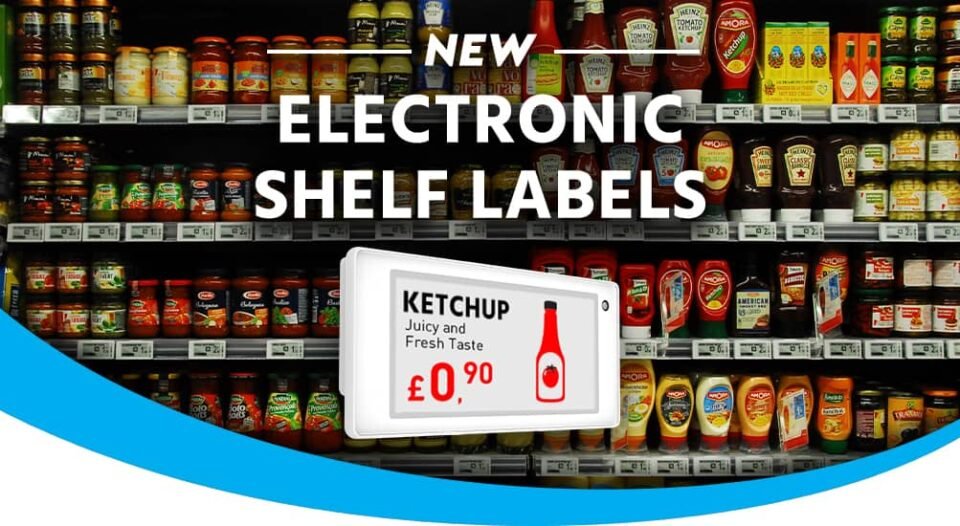
A major European supermarket chain is expanding its pilot programme for Electronic Shelf Labels (ESL) as retailers across the continent accelerate the shift toward fully digital pricing systems in stores.
The retailer, part of the growing wave of grocery groups testing in-store digital infrastructure, is trialling ESL technology across selected stores in order to automate pricing updates, reduce labour costs, and improve pricing accuracy. The system replaces traditional paper price tags with small digital displays that can be updated instantly from a central platform.
ESL technology is increasingly seen as a key part of the future of grocery retail, allowing supermarkets to change thousands of prices simultaneously, run targeted promotions, and ensure consistency between shelf and checkout prices.
Industry-wide, adoption is being led by large European retailers such as Carrefour, as well as discounters including Aldi and Lidl, all of which have already introduced or expanded digital shelf label systems in multiple markets.
The pilot programmes typically involve installing electronic labels across fresh food, packaged goods, and high-turnover categories, where prices change frequently due to promotions or supplier adjustments. Retailers say the technology allows price updates to be completed in seconds, reducing the need for staff to manually replace labels throughout the day.
A spokesperson involved in the pilot said the system is designed to improve operational efficiency while supporting more responsive pricing strategies.
“Electronic shelf labels help us ensure price accuracy across thousands of products in real time, while freeing up staff to focus on customer service rather than manual price changes,” the spokesperson said.
Technology providers such as VusionGroup are among the main suppliers of ESL systems across Europe. The company’s digital labels use low-energy e-ink displays connected through wireless networks, enabling retailers to synchronise in-store prices directly with their central inventory and pricing systems.
VusionGroup, which supplies ESL systems to several major global retailers, says the technology also improves sustainability by reducing paper waste and supports more efficient supply chain management through real-time data integration.
However, the rollout of ESL systems has also raised questions among consumer groups and policymakers about the potential for “dynamic pricing,” where prices could theoretically change more frequently in response to demand. Retailers involved in pilots insist that pricing changes remain tightly controlled and aligned with existing promotional rules.
Despite the debate, the use of electronic shelf labels is expected to expand rapidly across Europe over the next few years, with supermarkets viewing the technology as a key step toward fully digitised store operations.