
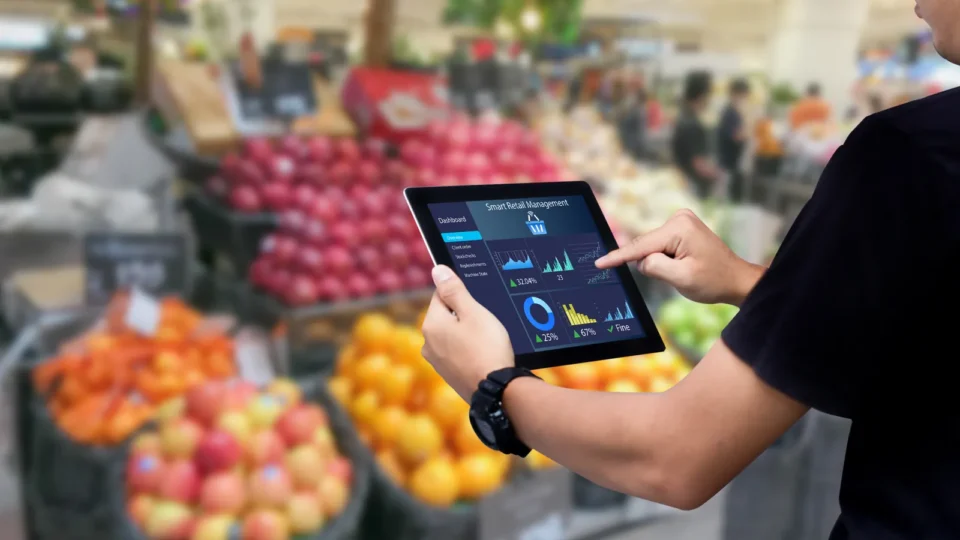
WASHINGTON D.C. — For decades, the supermarket shelf tag was a symbol of retail stability. A price was printed, slipped into a plastic rail, and remained there until a human worker manually replaced it. Today, that analog certainty is being systematically dismantled. In its place sits a hyper-reactive digital ecosystem powered by artificial intelligence, cloud analytics, and electronic shelf labels (ESLs) capable of changing prices across an entire store in milliseconds. However, what the retail technology sector celebrates as “dynamic optimization” has run headfirst into a wall of intense political and consumer fury, culminating in a high-stakes United States Senate Judiciary subcommittee investigation into what lawmakers are now branding as “surveillance pricing.”
The sudden friction between corporate grocery networks and federal regulators highlights a deeper, more systemic shift in how everyday goods are sold. According to internal reports emerging from the legislative hearings, the modern grocery store is rapidly morphing from a simple merchant into an aggressive data-harvesting apparatus. By partnering with advanced third-party tech platforms, massive corporate grocery chains are no longer just tracking inventory; they are tracking people.
The Mechanics of the Variable Tag
To understand why this issue has ignited such a fierce public backlash, one must look at how these algorithmic models operate on the store floor. Traditional dynamic pricing—long utilized by airlines, ride-sharing apps, and hotel chains—adjusts pricing based on macro-level supply and demand metrics. If a flight is nearly full, the remaining seats cost more.
In the supermarket environment, however, the integration of facial recognition cameras, loyalty program tracking, and smartphone application data allows the AI to personalize the experience to an unprecedented degree.
Industry whistleblowers and digital privacy advocates testified that the ultimate goal of surveillance pricing is to determine a consumer’s individual “willingness to pay” in real-time. For instance, if an app tracks that a shopper frequently buys a specific brand of organic baby formula and is currently walking down that exact aisle, the digital tag on the shelf could theoretically tick upward by twenty cents for that specific interaction. Conversely, a store experiencing a surge of foot traffic during a sudden heatwave could instantly spike the cost of bottled water or ice, capitalizing on immediate environmental vulnerability.
Critics argue that this creates an inherently predatory marketplace. In a standard economic model, consumers have the power of choice and comparison shopping. But when prices fluctuate rapidly based on hidden digital profiles, comparison shopping becomes a structural impossibility. The consumer is left entirely in the dark, forced to pay a fluctuating premium on essential goods like bread, milk, and medicine.
The Legislative Pushback
The Senate Judiciary Subcommittee on Crime and Counterterrorism has framed the issue not as an evolution of free-market efficiency, but as an existential threat to consumer autonomy. Lawmakers during the hearings grilled tech executives and retail lobbyists, demanding transparency regarding the exact data points being fed into these pricing algorithms.
Central to the investigation is the concept of algorithmic collusion. Regulatory bodies are deeply concerned that if a handful of massive supermarket conglomerates all utilize the same core AI software vendors to dictate shelf prices, the software will naturally optimize profit margins by keeping prices artificially inflated across the entire industry. This would effectively achieve the results of corporate price-fixing without executives ever having to meet in a smoky backroom to coordinate a conspiracy. The algorithm handles the collusion entirely on its own.
Retail trade groups have pushed back aggressively against this narrative. Industry representatives argue that digital tags are a vital tool for reducing food waste and managing labor costs. They contend that electronic tags allow store managers to instantly discount perishable items that are nearing their expiration dates, thereby passing savings onto the consumer and keeping food out of landfills. Furthermore, in an era characterized by chronic retail labor shortages, automating price updates frees up employees from the grueling task of manually swapping out thousands of paper tags every week, allowing them to focus on inventory management and customer service.
The Viral Fallout and the Future of Shopping
Despite corporate assurances, the public response has been overwhelmingly hostile. Short-form video platforms and social media networks have become flooded with user-generated content exposing perceived price fluctuations in real-time, fueling deep-seated public resentment over food inflation. The idea that a machine is quietly evaluating a shopper’s socioeconomic status via their smartphone and altering the cost of groceries on the fly has tapped into a profound cultural anxiety regarding corporate overreach and artificial intelligence.
As the Senate subcommittee weighs potential legislative remedies—ranging from mandatory price-transparency disclosures to an outright ban on high-frequency algorithmic price shifts for essential commodities—the international grocery sector finds itself at a critical crossroads. Retailers are learning that while digital transformation can optimize a supply chain, applying cold, algorithmic logic to the literal kitchen table of the average citizen invites a level of scrutiny that could permanently reshape the legal boundaries of global commerce.