
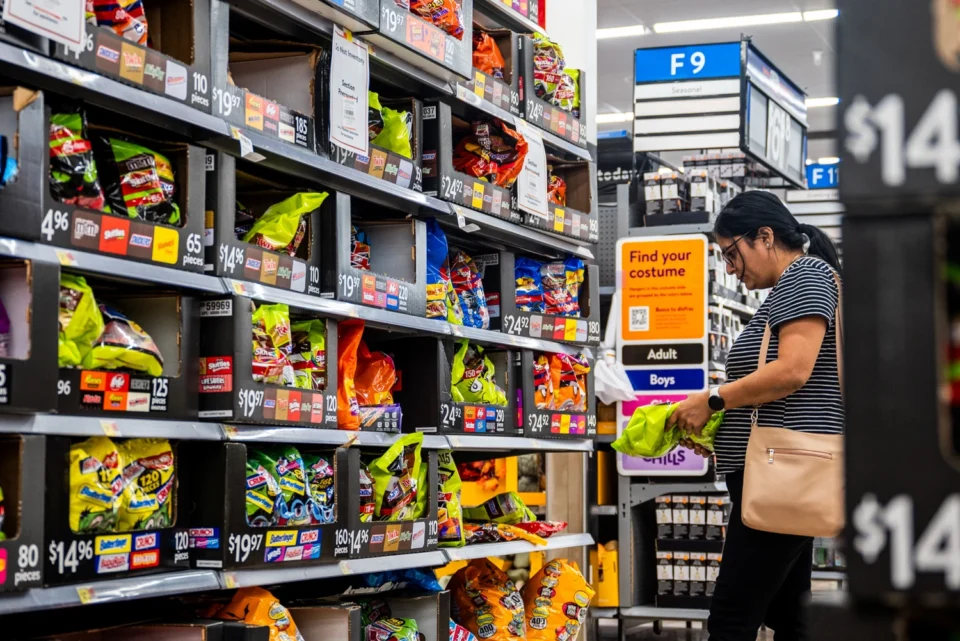
Haleon is changing the way it competes for shoppers in US supermarkets, securing better shelf positions at major retailers including Walmart and Target as consumers become increasingly careful about what they spend.
The owner of brands including Sensodyne, Advil and Centrum has negotiated improved positions for some of its products, including eye-level space, as it looks to gain more attention from shoppers walking through increasingly competitive health and personal-care aisles.
The move is more than a simple change to where products sit on a shelf. Haleon has been offering retailers a combination of lower prices, stronger promotions, new products and exclusive lines in return for better visibility.
That gives supermarkets something they want at a time when shoppers are becoming more price-conscious: brands prepared to support sales with promotions and better commercial terms.
Haleon said the strategy is already helping its business. Its share of the US consumer-health market increased from 11.4% in February to 12% in August, according to NielsenIQ data cited by Reuters.
The company has also been studying how shoppers actually navigate supermarket shelves. Its research found that consumers tend to look for a brand first and then want premium or new products to be easy to find within that brand’s section.
For Centrum, that has meant securing eye-level positioning supported by promotions. The thinking is straightforward: if a shopper is looking for vitamins and sees the product immediately, the chances of it entering the basket increase.
This is becoming increasingly important as US consumers change their shopping habits.
Higher grocery bills and elevated fuel prices are putting pressure on household budgets, meaning shoppers are concentrating more of their spending on essential products. Retailers themselves are also looking for ways to generate sales without simply relying on consumers spending more.
Walmart is a particularly important part of the picture. The world’s largest retailer recently said high gasoline prices were having a psychological effect on consumers and encouraging them to make spending trade-offs. The company has also been cutting prices across thousands of products as it responds to a more cautious customer.
For suppliers, this creates a difficult balancing act. They need supermarket shelf space, but retailers have limited room and thousands of products competing for attention.
The traditional battle for shelf space is therefore becoming a battle for the best shelf space.
Eye-level positions, promotional displays and prominent placement can make a significant difference to whether a product is noticed. Brands with strong sales potential, attractive pricing and marketing support have a better argument when retailers review their shelves.
Haleon’s strategy also shows how supplier negotiations are changing. The company is not relying solely on the strength of its established brands. It is using price, promotions, innovation and exclusivity as part of the overall deal with retailers.
More than 21% of Haleon’s US sales in the second quarter came from products sold with promotions, according to NielsenIQ data analysed by Bernstein.
Walmart and Target have not commented on the individual shelf-space agreements.
For the wider supermarket industry, however, the message is clear.
When shoppers become more selective, every centimetre of supermarket shelf space becomes more valuable.
Retailers want products that deliver value to customers and sales to the business, while suppliers want visibility in the places where shoppers are most likely to see their brands.
The result is a new level of competition inside the supermarket aisle — and companies such as Haleon are prepared to negotiate harder to win it.