

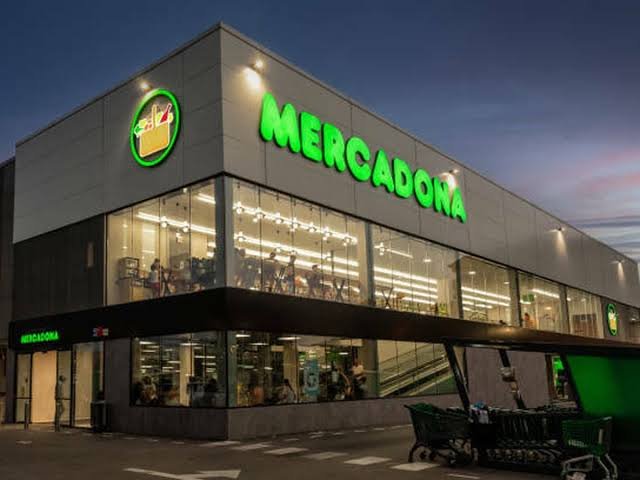

Mercadona is moving at remarkable speed in reshaping the supermarket experience, with Spain’s leading grocery retailer bringing its new “Tienda 9” concept to Madrid and Bilbao as part of a €3.7 billion transformation programme. The latest openings underline how quickly European grocery retail is evolving, with retailers increasingly redesigning stores around efficiency, fresh food, technology and a simpler customer journey.
The two new stores represent a combined investment of around €11.1 million, with the Madrid supermarket in Chamberí accounting for €9.2 million. The Madrid opening has created 28 new jobs within a total workforce of 48 employees.
Mercadona plans to have approximately 60 Tienda 9 supermarkets operating across Spain by the end of 2026. This is only the beginning: the retailer intends to progressively convert its existing network, with the full transformation programme running through to 2033 and involving around €3.7 billion of investment.
A supermarket designed around processes
The Tienda 9 represents a significant change from Mercadona’s previous Tienda 8 format. Rather than simply arranging the supermarket around traditional departments, the new concept reorganises operations around processes.
One of the most important features is the Obrador Central, which brings together preparation activities for fresh food, including cutting, cooking and packaging. By concentrating these activities in one area, Mercadona can free up additional space on the shop floor for fresh products and make the customer-facing areas easier to navigate.
Fresh food is clearly becoming a central part of the new supermarket strategy. The layout gives greater prominence to fruit and vegetables, prepared foods and other fresh categories, reflecting a broader European grocery trend in which supermarkets are competing not simply on price but on freshness, convenience and the quality of the shopping experience.
Technology and efficiency built into the store
The new format also demonstrates how supermarket technology is moving beyond the checkout. Mercadona is introducing electronic devices and collaborative tools designed to support employees, improve decision-making and make store operations more efficient.
Energy efficiency is another important element. The new stores use CO₂ refrigeration, while refrigeration cabinets incorporate systems designed to reduce the loss of cold air into the shopping aisles. Mercadona says the redesigned processes can deliver savings of up to 10% in energy consumption and up to 40% in water consumption.
The company is also upgrading technical rooms and equipment, suggesting that the Tienda 9 is not simply a cosmetic refurbishment but a fundamental redesign of the supermarket’s operating model.
Mercadona is moving faster than much of European grocery retail
What makes Mercadona particularly interesting is the speed and scale of the rollout. Across Europe, supermarkets are experimenting with new formats, automation, digital tools, fresh-food concepts and more efficient refrigeration. Mercadona, however, is taking a highly structured approach: test the format, refine the operating model and then roll it across a huge store estate.
The company had already begun introducing Tienda 9 in locations including Valdemoro and Astorga, while the latest Madrid and Bilbao openings bring the concept into two major Spanish cities.