
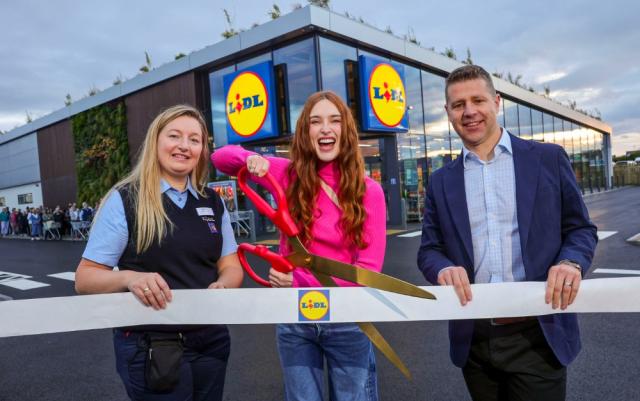
Lidl GB plans to open more than 50 stores during its current financial year as part of a £600 million investment programme, continuing its expansion in a British supermarket market where discount retailers have become increasingly influential.
The German-owned retailer reported turnover of approximately £13 billion for its latest financial year, an increase of 10.8%. Operating profit rose by 9.9% to £345 million.
Lidl’s expansion comes as shoppers continue to pay close attention to grocery prices, while established supermarket groups face pressure to demonstrate that their own value ranges and loyalty offers can compete with the discounters.
Growth is about more than opening stores
New locations give Lidl access to additional customers, but the strategy also depends on finding suitable sites, developing distribution capacity and maintaining the operating model that allows it to compete on price.
The retailer has also benefited from its Lidl Plus loyalty programme and its Deluxe premium range, demonstrating that discount positioning does not necessarily prevent a supermarket from selling higher-value products.
This combination is important. Consumers may want to save money on everyday essentials while still spending more on selected treats, seasonal products and special occasions.
Pressure on the established supermarket groups
Lidl’s expansion is another challenge for Britain’s larger grocery chains. Tesco, Sainsbury’s, Asda and Morrisons must compete not only on headline prices but also on convenience, product quality, availability and the overall shopping experience.
For suppliers, Lidl’s growth creates opportunities to reach more customers, but it also brings the demands associated with supplying a retailer whose business model depends on efficiency, controlled ranges and competitive buying terms.
Our view at ISN is that the discounters are no longer simply an alternative for shoppers facing financial pressure. They have become an established part of the market, attracting customers who might previously have done most of their shopping elsewhere.
The next stage of competition will depend on whether Lidl can continue expanding without losing the operational discipline behind its success. Opening more stores is one thing; maintaining value and product availability across a larger network is another.
Source: Reuters, 8 October 2026.
