

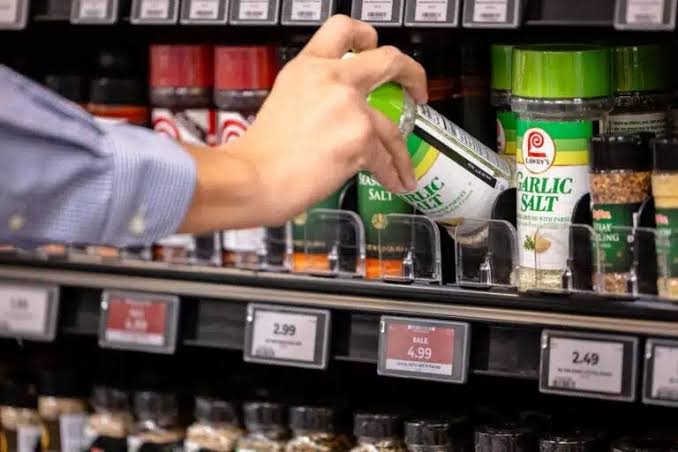

Electronic shelf labels are moving steadily into the mainstream of US grocery retail, with an increasing number of supermarket operators adopting, testing or expanding digital shelf technology. What was once viewed largely as an emerging retail technology is becoming an important part of the modern supermarket, as retailers look for better ways to manage prices, promotions, inventory and store operations.
Kroger is among the major US grocery operators to have expanded its use of electronic shelf labels after previously testing the technology in a limited number of stores. The retailer has been increasing deployment as digital pricing becomes more closely integrated with wider store technology and operational systems. Reports in 2025 indicated that Kroger was expanding the technology after trials in 20 stores.
The trend is not limited to the largest national operators. Regional supermarket groups are also moving ahead. Hy-Vee announced a partnership with VusionGroup to introduce electronic shelf labels in more than 230 stores. The technology is designed not only to automate price changes but also to support promotions and help employees locate products during online order fulfilment through flashing indicators on the shelf labels.
Schnucks has also embraced digital shelf technology, with Instacart’s Carrot Tags being rolled out across its supermarket network. The system gives shoppers digital pricing and product information while also creating opportunities to connect shelf technology with other digital services, including smart shopping and fulfilment tools.
Aldi and Lidl are also among the retailers identified as moving towards wider electronic shelf label adoption in the US. Their interest is particularly significant because discount supermarkets operate highly efficient models where fast price changes, promotional execution and labour productivity can have a direct impact on store performance. Industry reporting in 2026 lists both Aldi and Lidl among US retailers moving towards greater use of ESL technology.
The appeal of ESLs goes well beyond eliminating paper price tickets. A connected electronic label can receive price changes directly from a retailer’s central system, reducing the amount of manual work required by store employees. This can make promotional changes faster and help retailers maintain greater consistency between the price displayed on the shelf and the price held in their systems.
The technology is also increasingly being connected to online grocery fulfilment. Digital labels can incorporate lights or other visual signals that help store employees locate products quickly when preparing customer orders. This is particularly valuable as supermarkets continue to operate stores as both shopping destinations and fulfilment centres for online orders.
Another important development is the increasing connection between ESLs and the wider digital store. Modern labels can display more than a simple price. Depending on the system, they can provide promotional information, product details and scannable digital content, while acting as a visible interface between the retailer’s technology infrastructure and the physical shelf. Schnucks, for example, describes its digital shelf tags as providing pricing, sales and other product information.
The expansion of ESL technology is nevertheless attracting scrutiny. Because electronic labels allow prices to be changed remotely, the technology has become part of the wider debate surrounding dynamic and personalised pricing in supermarkets. Concerns about so-called surveillance pricing have been raised in the US, particularly as retailers increasingly use data and digital systems to understand customer behaviour.
Retailers and technology suppliers, however, argue that the principal benefits are operational: improving price accuracy, reducing the labour required to change labels, speeding up promotions and creating a more responsive store environment.
The direction of travel is becoming increasingly clear. Walmart has been pursuing a major digital shelf label programme, while Kroger, Hy-Vee, Schnucks, Aldi and Lidl are among the other grocery retailers associated with the growing US adoption of the technology.
For the supermarket industry, the significance of ESLs may ultimately be much greater than replacing paper labels. As electronic shelf technology becomes connected to pricing, inventory, online fulfilment, promotions and retail media, the shelf itself is becoming part of the supermarket’s digital infrastructure.
The US market therefore provides a clear indication of where supermarket technology is heading: the electronic shelf label is increasingly becoming a tool for running the store, rather than simply a digital replacement for a piece of paper.