

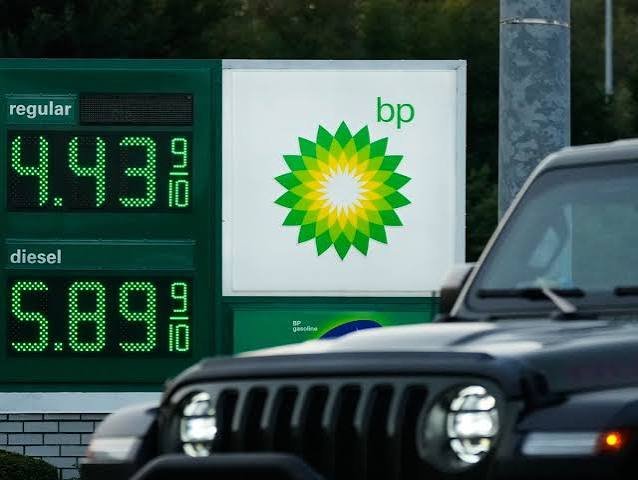

Diesel prices in the United States have climbed to an unprecedented level, creating a new cost challenge for truckers, farmers, distributors and retailers as the higher cost of moving goods begins to work its way through the food supply chain.
The national average price of diesel reached around $5.85 a gallon, surpassing the previous U.S. record. The sharp increase comes as global fuel supplies remain under pressure from continuing conflict involving Iran, disruption to oil shipments through the Middle East and attacks affecting Russian refining capacity.
For the supermarket industry, diesel is particularly important because a large proportion of food and consumer products reach distribution centres and stores by road. Higher diesel prices increase the operating costs of long-distance trucking, regional deliveries, refrigerated transport and agricultural machinery.
The impact is not limited to transport companies. Farmers face higher costs for tractors, harvesting equipment and other diesel-powered machinery, while food manufacturers and wholesalers must also absorb increased distribution expenses. These additional costs can eventually put pressure on prices paid by consumers in supermarkets.
The timing is particularly difficult for the U.S. food industry. The autumn harvest is increasing demand for diesel, while refinery disruptions and tighter international supplies are limiting the flexibility of the market. Analysts have warned that the combination of seasonal demand and restricted refining capacity could keep pressure on diesel prices.
California is experiencing an even more severe situation, with diesel prices reported at around $7.81 a gallon, highlighting the major differences in fuel costs across the United States.
For supermarkets, the concern is not simply the price displayed at the fuel pump. Diesel affects almost every stage of the supply chain, from agricultural production and food processing to transportation, warehousing and final delivery. Fresh produce, meat, seafood and other temperature-sensitive products can be particularly exposed because they require frequent and often refrigerated transportation.
The latest increase therefore creates another potential source of inflation for American consumers. U.S. food prices are influenced by many factors, but higher transportation and distribution costs can add pressure at a time when households are already closely watching their grocery spending.
The key question for retailers is how long the diesel shock will last. If fuel prices remain elevated, distributors and carriers may increasingly seek fuel surcharges or higher freight rates, leaving supermarkets to decide whether to absorb the additional cost or pass part of it on to shoppers.
With oil markets still reacting to geopolitical developments, the U.S. supermarket sector will be watching diesel prices closely. What began as an energy-market problem is increasingly becoming a supply-chain issue — and ultimately, a potential grocery-price issue for millions of American consumers.