

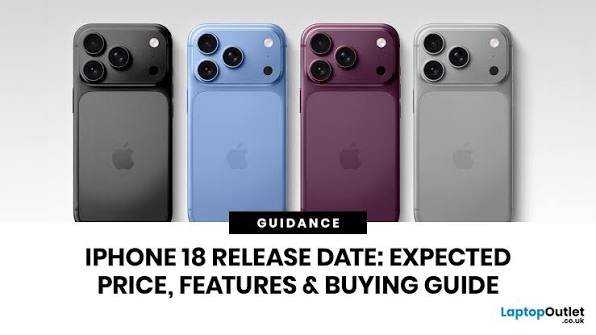

Apple has entered a new phase of the iPhone story with the launch of the iPhone 18 Pro and iPhone 18 Pro Max, but the biggest change is not simply another faster processor or a new colour. Apple is increasingly turning the iPhone into a powerful everyday technology hub, combining professional photography, artificial intelligence, longer battery life and greater control over how users create and manage content.
The new iPhone 18 Pro and Pro Max are powered by Apple’s A20 Pro chip and introduce a redesigned camera system built around a 48-megapixel Fusion Main camera with variable aperture. This is an important development because it gives users greater control over the amount of light entering the camera, moving the iPhone closer to the type of creative control traditionally associated with dedicated cameras. Apple has also added new Pro controls inside the Camera app, allowing users to adjust their shooting experience rather than simply relying on automatic settings.
For Apple, however, the camera is only part of the story. The company is making artificial intelligence a much more visible part of the iPhone experience through iOS 27, Apple Intelligence and Siri AI. Apple says the new Pro models are designed to use personal context while maintaining a strong emphasis on privacy and security. This could become increasingly important as consumers expect smartphones to do more than display information and instead anticipate what they need, assist with everyday tasks and work across different applications.
Battery life is another area where Apple is attempting to make the upgrade more meaningful. The iPhone 18 Pro Max receives what Apple describes as its largest battery-life improvement ever for an iPhone Pro model, supported by improvements to Apple silicon and a larger battery. Both models also use a new-generation vapour chamber designed to maintain performance for longer during demanding workloads.
There is also a subtle change in the physical design. The Dynamic Island has become smaller, while the new Pro range is offered in black, silver, glacier and a new burgundy finish. The burgundy option could become one of the most recognisable colours of this generation as Apple looks to give the latest models a visual identity of their own.
But perhaps the most interesting development is what Apple did not announce. The standard iPhone 18 was absent from the September launch. Instead, Apple concentrated its attention on the higher-priced Pro models and its new foldable iPhone Duo. Reports indicate that the standard iPhone 18 could arrive in spring 2027, potentially alongside other models.
That changes the traditional iPhone sales calendar. Rather than presenting the entire family together each September, Apple is moving towards a strategy that gives its premium smartphones their own moment before introducing more affordable models later. For retailers, distributors and consumers, this could mean a longer and more fragmented iPhone sales cycle.
The iPhone 18 Pro starts at $1,199 in the United States, while the Pro Max starts at $1,299. Pre-orders begin on 12 September, with availability from 18 September.
Apple is therefore selling more than a new smartphone generation. It is selling a different idea of what the premium smartphone should become: part camera, part computer, part AI assistant and increasingly a personal technology platform. The success of the iPhone 18 Pro may ultimately depend not on how much faster it is than the previous iPhone, but on whether consumers believe these new capabilities genuinely change the way they use their phones every day.