
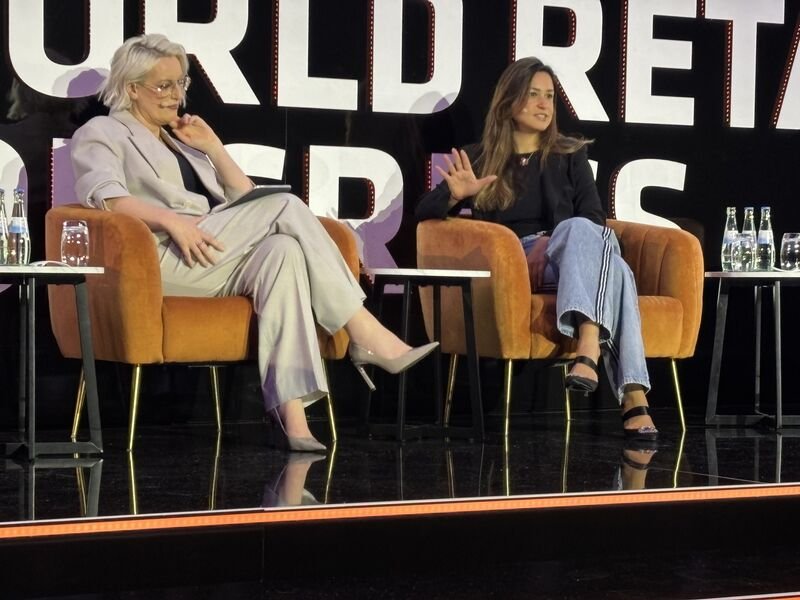
The annual World Retail Congress has long served as a barometer for the direction of the retail industry, and this year’s gathering proved no exception. Artificial intelligence dominated the conversation—as expected—but it was far from the only story shaping the future of retail.
AI was everywhere. From predictive analytics to hyper-personalised marketing and automated supply chains, retailers showcased how deeply embedded the technology has become in day-to-day operations. For many attendees, it felt less like a futuristic concept and more like an operational necessity. Yet, despite its omnipresence, AI did not overshadow the fundamentals. Instead, it highlighted a more nuanced reality: technology is advancing rapidly, but the core principles of retail remain firmly intact.
In fact, one of the most striking themes at the congress was the continued importance of physical stores. In an era defined by digital transformation, shopkeeping, community engagement, and the role of bricks-and-mortar locations took centre stage. Retailers made it clear that stores are not fading into irrelevance—they are evolving.
Major brands such as Sephora, JD Sports, and Currys exemplified this balance. All three are investing heavily in AI-driven capabilities, yet each emphasised the continued expansion and strategic importance of their physical store networks. Their message was consistent: digital tools enhance retail, but they do not replace the human experience.
Stores are increasingly being reimagined as experiential hubs rather than mere transaction points. Beauty consultations, immersive product displays, and community-driven events are becoming central to the in-store experience. Retailers are leaning into what physical spaces can uniquely offer—human interaction, immediacy, and a sense of place.
This renewed focus on stores also reflects a broader shift toward community. Retailers spoke about creating environments where customers feel connected—not just to products, but to brands and to each other. In a world of algorithm-driven recommendations, the value of human connection is becoming a differentiator.
At the same time, the integration of AI into these physical environments is accelerating. From smart inventory systems to in-store digital assistants, the line between online and offline continues to blur. The most successful retailers are not choosing one over the other; they are building ecosystems where both coexist seamlessly.
The congress ultimately underscored a key insight: retail is not being reinvented from scratch—it is being reshaped. Technology is a powerful enabler, but it works best when paired with strong retail fundamentals. Shops still matter. Community still matters. And the human element remains central.
As the industry moves forward, the winners will likely be those who can strike this balance—leveraging cutting-edge technology while staying grounded in the timeless principles of retail.
