
By Riad Beladi
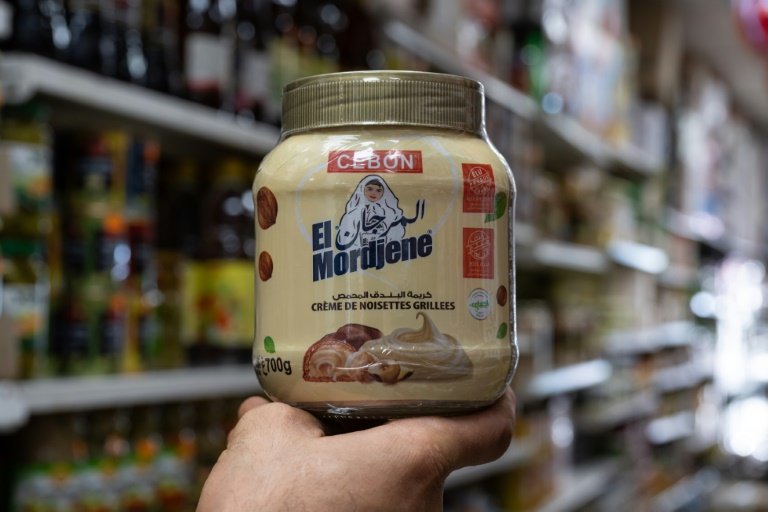
Algerian food exports—particularly juices, olive oil, dates, and traditional Mediterranean staples—have demonstrated strong acceptance in European niche and ethnic markets. However, their presence in mainstream supermarket chains remains limited. This report examines why Algerian food products have potential for broader success in Europe and identifies three critical barriers: marketing underinvestment, certification gaps, and insufficient industrial-scale production.
Despite these challenges, growing European demand for natural, traceable, and Mediterranean-origin foods presents a significant opportunity for expansion.
1. Current Position: Strong Products, Limited Reach
Algerian food exports are already present in Europe, but primarily through:
- ethnic grocery stores
- small import distributors
- specialty or organic food sections
Products such as fruit juices, dates, and olive oil are often well received by consumers familiar with North African cuisine or seeking natural Mediterranean ingredients.
However, this presence remains fragmented and does not yet reflect mass-market penetration comparable to competitors from Spain, Italy, Turkey, or Morocco.
2. Competitive Advantage: Natural Agricultural Strength
Algeria benefits from several structural agricultural advantages:
- Climate suitability: Long sunshine hours and Mediterranean weather conditions support high-quality citrus, olives, and dates.
- Flavor intensity: Fruits and derivatives often exhibit strong natural taste profiles due to ripening conditions.
- Diet alignment: Products align with the globally popular Mediterranean diet trend.
These advantages position Algerian goods well within current European consumer preferences for:
- reduced sugar products
- fewer artificial additives
- “clean label” transparency
Despite this, natural quality alone is not sufficient for large-scale retail success.
3. Key Barrier I: Industrial Scale and Supply Stability
Mass European retailers require suppliers to guarantee:
- year-round production continuity
- standardized quality across batches
- high-volume fulfillment capacity
At present, many Algerian producers operate at medium or fragmented industrial scale. This limits their ability to:
- secure long-term contracts with major supermarket chains
- compete on price with global exporters
- maintain consistent supply chains across Europe
Without consolidation and industrial expansion, Algerian exports remain structurally confined to niche distribution channels.
4. Key Barrier II: Certification and Regulatory Alignment
European food markets are among the most regulated globally. Entry into mainstream retail requires compliance with:
- HACCP food safety systems
- EU traceability and labeling standards
- multilingual packaging requirements
- optional but increasingly important organic certifications
Many Algerian exporters face delays or limitations not due to product quality, but due to insufficient certification infrastructure or slow adaptation to EU regulatory frameworks.
In practice, certification is not a competitive advantage—it is a minimum entry requirement.
5. Key Barrier III: Marketing and Brand Positioning
In European supermarkets, product success depends heavily on branding and consumer perception.
Current Algerian export positioning is often:
- origin-focused (“Algerian,” “traditional,” “natural”)
- limited in lifestyle branding
- underrepresented in mainstream advertising channels
By contrast, successful international competitors invest heavily in:
- modern packaging design
- health and sustainability messaging
- narrative-driven branding (“Mediterranean lifestyle,” “farm-to-table,” etc.)
Without strong marketing investment, Algerian products risk being perceived as ethnic specialty goods rather than everyday consumer options.
6. Strategic Opportunity: Repositioning into the Mediterranean Category
A proven pathway exists for expansion into mass markets. Countries such as Turkey and Morocco have successfully transitioned from ethnic niche products to mainstream supermarket goods in Europe by:
- scaling industrial production
- forming partnerships with European distributors
- rebranding products under broader “Mediterranean” identity
This repositioning allows products to appeal to a wider consumer base beyond diaspora communities.
Algeria could follow a similar trajectory if structural investments are made.
7. Outlook: High Potential, Conditional Success
Algerian food exports are positioned at an early-stage inflection point. The combination of natural agricultural quality and rising European demand for healthier, less processed foods creates a favorable environment.
However, market expansion depends on three non-negotiable conditions:
- Large-scale industrial production capacity
- Full EU certification compliance systems
- Strategic international marketing investment
Without these, growth will remain limited to niche channels. With them, Algerian food products could transition into mainstream European retail ecosystems.
The European food market does not lack interest in Algerian products—it lacks structured integration of them into its supply chains and branding systems. The opportunity exists, but realization requires a shift from fragmented export activity to coordinated industrial and marketing strategy.
In that sense, the future of Algerian food exports will depend less on agricultural potential—which is already strong—and more on industrial discipline, regulatory alignment, and global brand building.