
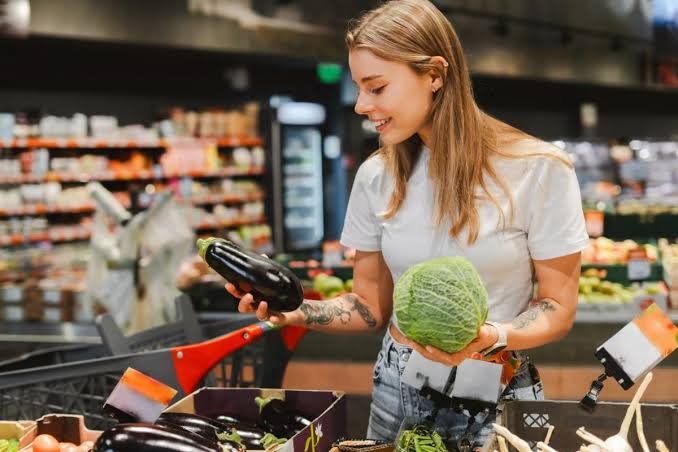
How Gen Z Is Reshaping Food Shopping, Store Formats, Technology, and Consumer Brands
Generation Z (born approximately 1997–2012) is becoming one of the most important consumer groups in grocery retail. While many Gen Z consumers are still early in their earning years, they already influence hundreds of billions of dollars in spending globally and are redefining how grocery products are discovered, purchased, and consumed.
Unlike previous generations, Gen Z grew up with smartphones, social media, online reviews, digital payments, and on-demand delivery services. As a result, they approach grocery shopping differently from Millennials, Generation X, and Baby Boomers.
For grocery retailers, Gen Z presents both an opportunity and a challenge:
- They are highly digital.
- They are price-sensitive.
- They seek convenience.
- They experiment with food.
- They care about health and wellness.
- They expect sustainability.
- They discover products through social media rather than traditional advertising.
The grocery retailers that successfully adapt to Gen Z preferences are likely to gain long-term customers for decades.
1. Who Is Generation Z?
Generation Z includes consumers born between approximately:
- 1997–2012
In 2026, Gen Z consumers are roughly:
- 14–29 years old
This group represents the first truly digital-native generation.
Unlike Millennials, who witnessed the rise of the internet, Gen Z has never known a world without:
- Smartphones
- Social media
- Streaming services
- E-commerce
- Mobile payments
These experiences fundamentally influence shopping behavior.
2. Why Grocery Retailers Care About Gen Z
Historically, grocery spending was dominated by:
- Families
- Homeowners
- Older consumers
Today, Gen Z is entering key life stages:
- Living independently
- Starting careers
- Forming households
- Raising children
As a result, grocery spending by Gen Z is increasing rapidly.
Many industry analysts believe Gen Z will become the most influential grocery consumer segment by the early 2030s.
3. Digital-First Grocery Shopping
Perhaps the biggest difference between Gen Z and previous generations is their digital-first mindset.
For Gen Z:
The smartphone is often the starting point for grocery decisions.
Before purchasing a product they may:
- Watch TikTok videos
- Read online reviews
- Check Instagram recommendations
- Compare prices online
- Search recipes
Food discovery increasingly happens online rather than inside stores.
TikTok as a Grocery Search Engine
One of the most significant trends is social commerce.
Products frequently become viral after appearing on:
- TikTok
- Instagram Reels
- YouTube Shorts
Examples include:
- Protein snacks
- Energy drinks
- Functional beverages
- Hot sauces
- Asian foods
- Healthy desserts
A viral product can sell out nationwide within days.
For retailers, social media now influences demand forecasting.
4. Gen Z Is Extremely Price Sensitive
Despite stereotypes about spending habits, Gen Z is often highly budget-conscious.
Several factors explain this:
Economic Pressures
Many Gen Z consumers face:
- High housing costs
- Student debt
- Inflation
- Slower wage growth
As a result they actively seek:
- Promotions
- Loyalty programs
- Discounts
- Private-label products
Rise of Private Labels
Private-label products have become increasingly attractive to Gen Z.
Historically store brands were viewed as lower quality.
Today many retailers offer premium private-label products that compete directly with national brands.
Retailers benefiting include:
- Aldi
- Lidl
- Trader Joe’s
- Costco
Gen Z is generally less loyal to legacy brands than older generations.
5. Convenience Matters More Than Ever
Gen Z values convenience almost as much as price.
Popular services include:
- Same-day delivery
- Click-and-collect
- Rapid delivery
- Mobile checkout
Many younger consumers view grocery shopping as a task to be optimized rather than an enjoyable activity.
Growth of Prepared Foods
One major trend is demand for ready-to-eat products.
Gen Z purchases:
- Fresh meals
- Meal kits
- Protein bowls
- Grab-and-go snacks
- Prepared salads
Many consumers have limited cooking experience or limited time.
This creates opportunities for grocery retailers to compete with restaurants.
6. Health and Wellness Are Key Drivers
Gen Z is often described as the most health-conscious generation.
They actively seek products associated with:
- High protein
- Low sugar
- Functional ingredients
- Gut health
- Mental wellness
- Energy enhancement
Protein Obsession
One of the strongest trends is increased protein consumption.
Popular products include:
- Protein bars
- Protein yogurt
- Protein shakes
- High-protein snacks
- Protein-enhanced foods
Protein is increasingly marketed as:
- Convenient
- Healthy
- Fitness-oriented
Functional Foods
Gen Z increasingly purchases foods offering specific benefits.
Examples:
- Probiotics
- Adaptogens
- Vitamins
- Energy support
- Sleep support
This trend blurs the line between food and wellness products.
7. Sustainability Matters—but Price Still Wins
Many Gen Z consumers express concern about:
- Climate change
- Packaging waste
- Food waste
- Ethical sourcing
They often prefer:
- Recyclable packaging
- Sustainable ingredients
- Responsible sourcing
However, actual purchasing behavior reveals a tradeoff.
When forced to choose between:
- Sustainable products
- Lower prices
Price often remains the deciding factor.
This phenomenon is known as the sustainability gap.
8. International and Experimental Foods
Gen Z is significantly more adventurous than previous generations.
Factors driving experimentation include:
- Global travel
- Immigration
- Social media exposure
- Online food culture
Popular categories include:
- Korean foods
- Japanese snacks
- Mexican flavors
- Southeast Asian cuisine
- Middle Eastern foods
Retailers increasingly expand international food sections to attract younger shoppers.
9. Beverage Innovation
Beverages have become one of the fastest-growing grocery categories among Gen Z.
Key segments include:
Functional Drinks
Examples:
- Energy beverages
- Hydration products
- Nootropic drinks
- Vitamin-enhanced drinks
Premium Coffee
Younger consumers increasingly buy:
- Cold brew
- Ready-to-drink coffee
- Specialty coffee
Alternative Drinks
Growth areas include:
- Kombucha
- Sparkling water
- Plant-based beverages
10. Technology Expectations
Gen Z expects technology to be integrated throughout the shopping journey.
Desired features include:
- Mobile payments
- Digital receipts
- Personalized offers
- AI recommendations
- Real-time inventory visibility
Retailers unable to provide seamless digital experiences risk losing younger customers.
11. Grocery Store Formats Winning With Gen Z
Several formats are performing particularly well.
Discount Retailers
Chains such as:
- Aldi
- Lidl
Appeal because of:
- Low prices
- Efficient shopping
- Strong private labels
Urban Convenience Stores
Smaller formats attract younger consumers living in cities.
Advantages:
- Quick visits
- Easy access
- Ready-to-eat foods
Warehouse Clubs
Retailers such as:
- Costco
Appeal to young families seeking value.
12. The Future Grocery Store for Gen Z
The grocery store of the future may look significantly different.
Expected features include:
AI Personalization
Retailers will recommend:
- Recipes
- Promotions
- Products
Based on shopping history.
Electronic Shelf Labels
Digital shelf technology will support:
- Dynamic promotions
- Better product information
- Mobile interaction
Social Commerce Integration
Consumers may buy products directly from:
- Social media videos
- Influencer content
- Livestream shopping events
Frictionless Checkout
Checkout technology will continue evolving toward:
- Mobile scanning
- Automated payment
- Cashierless systems
Strategic Implications for Retailers
To win Gen Z shoppers, grocery retailers should focus on five priorities:
1. Be Mobile-First
Everything should work seamlessly on smartphones.
2. Offer Strong Value
Price remains critical despite interest in sustainability and premium products.
3. Invest in Prepared Foods
Ready-to-eat categories are likely to outperform traditional grocery growth.
4. Follow Social Media Trends
Retailers must react quickly to viral products.
5. Build Digital Loyalty Programs
Personalized rewards are increasingly important.
Conclusion
Generation Z is transforming grocery retail from a store-centered industry into a digitally connected ecosystem where social media, convenience, personalization, and value determine purchasing decisions.
Unlike previous generations, Gen Z does not separate online and offline shopping. They discover products on social platforms, compare prices digitally, purchase through multiple channels, and expect immediate fulfillment.
The retailers most likely to succeed are those that combine low prices, strong private-label offerings, digital convenience, prepared foods, and technology-driven personalization. Over the next decade, Gen Z’s influence will reshape everything from store layouts and product assortments to pricing strategies and retail technology investments, making them one of the most important consumer groups in the history of grocery retail.