
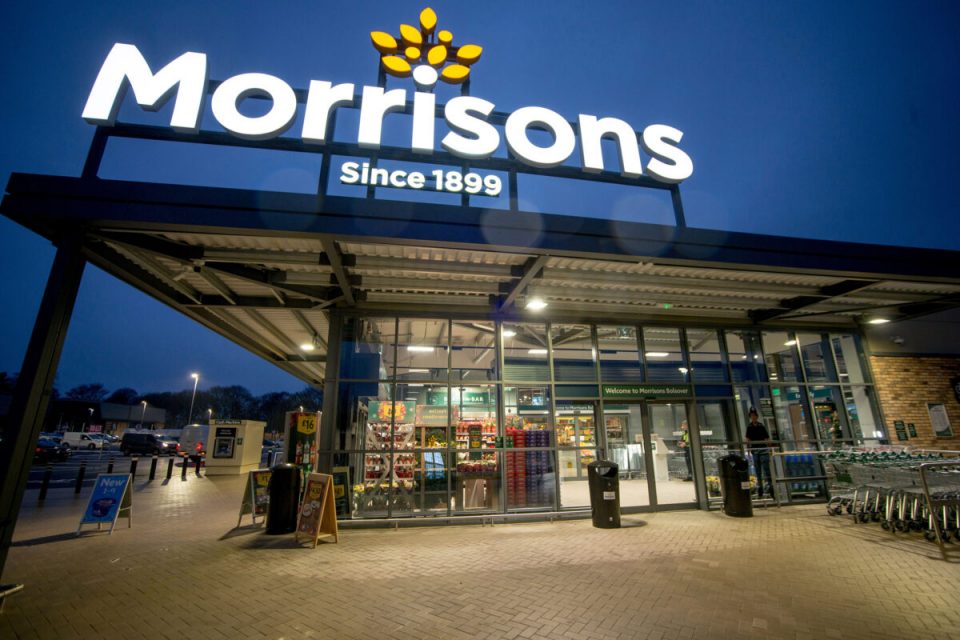
UK supermarket giant is reshaping its retail strategy by closing around 100 underperforming convenience stores as the company concentrates on maintaining a stronger and more profitable network across the country.
The closures mainly affect smaller convenience locations that became part of the Morrisons estate following the acquisition of McColl’s in 2022. Many of these stores struggled with rising operational expenses, changing shopping habits, and lower profitability levels.
The move reflects a wider policy change inside the company, with Morrisons increasingly prioritising profitable stores and sustainable operations rather than maintaining a large number of low-performing locations. Industry analysts believe the retailer is now focusing more heavily on efficiency, stronger margins, and long-term financial stability.
In recent months, Morrisons has also reduced several in-store services including cafés, fish counters, meat counters, pharmacies, and florists in selected branches. The retailer says these decisions are part of a broader restructuring programme designed to simplify operations and reduce costs.
The supermarket sector in the UK has been facing mounting financial pressure due to higher wages, energy costs, packaging regulations, and increased taxes on employers. These challenges have pushed many retailers to review store performance more aggressively.
Despite the closures, Morrisons continues to see convenience retail as an important part of its future business. However, the company appears to be moving toward a model focused on stronger-performing stores and franchise partnerships rather than operating large numbers of company-managed convenience outlets.
The restructuring comes as Morrisons seeks to strengthen profitability after several difficult years in an increasingly competitive grocery market. The company is expected to continue reviewing store performance across its network while investing in locations that deliver stronger sales and long-term growth potential.