Nike Wants $2.5bn in Savings — The Retail Industry Is Entering Another Cost-Cutting Cycle
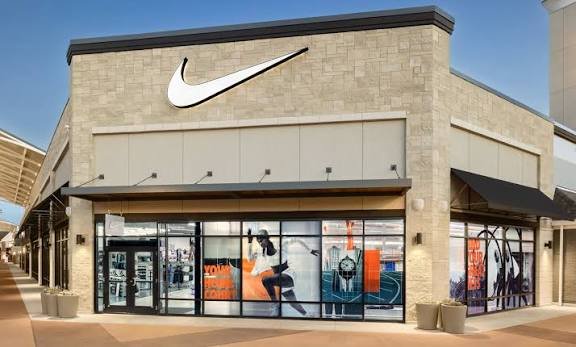
Nike is preparing another major restructuring, and the size of the numbers tells us this is more than a small management reshuffle.
The sportswear giant says its new “Pace” operating model is expected to generate around $2.5bn in cumulative savings through fiscal 2031. The programme is expected to create approximately $1bn in pre-tax charges, mainly related to employee and restructuring costs.
Nike has not put a final number on the jobs affected by the new programme, although reports have pointed to further cuts as part of the restructuring.
The company is also changing its geographic structure, working on its supply chain and establishing a new campus in India. At the same time, Nike expects fiscal 2027 revenue to fall by a high-single-digit percentage.
There is an ISN lesson here.
Retailers and consumer brands are discovering that simply having a huge global business is no longer enough. They are being forced to decide which parts of the organisation actually create growth and which parts have become expensive layers around the business.
Nike is particularly interesting because this is happening while the company is still investing in its future.
That is becoming a familiar retail pattern: cut here, invest there, reorganise everywhere.
ISN expects we will see more of this across retail and consumer goods over the next couple of years. Not necessarily because companies are collapsing, but because management teams are under pressure to show that every major cost is producing a return.
For employees, that can be unsettling. For retailers, it may become normal.
The big question for Nike is whether $2.5bn of savings will eventually produce a stronger business — or whether the company will simply become better at cutting costs while the underlying sales problem remains.