
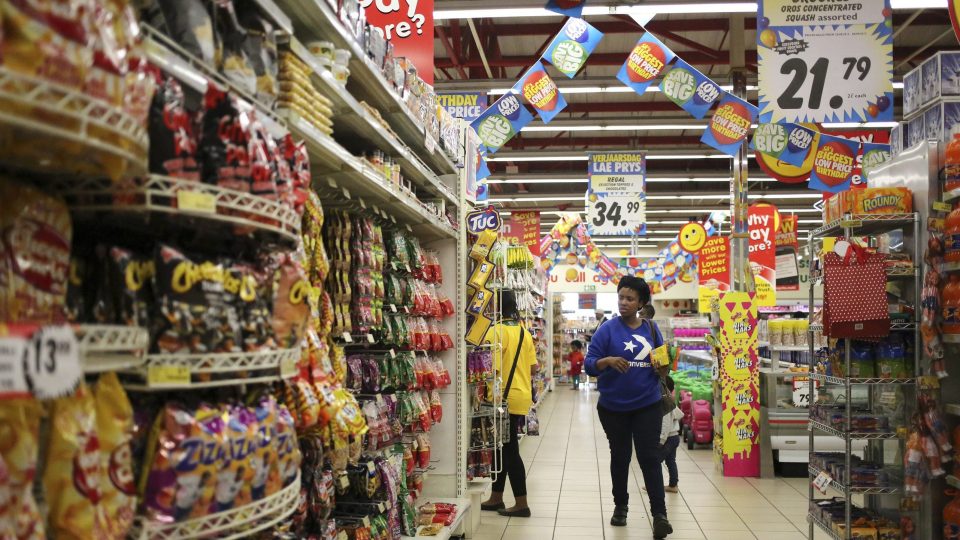
The African supermarket scene is rapidly evolving. While informal retail (small shops, “spazas”, open markets) remains dominant in many regions, modern grocery chains are growing fast — especially in Southern and East Africa — fueled by rising incomes, urbanisation, and foreign investment.
Below are some of the largest and most influential supermarket chains on the continent, ranked by turnover, footprint, and strategic importance.
Key Players
Shoprite Holdings (South Africa)
Turnover & Scale: Shoprite is the largest food retailer in Africa. According to its annual reports, its revenue exceeds R 250 billion. Wikipedia+2businesstech.co.za+2
Geographic Reach: It operates thousands of stores across Southern Africa, including in South Africa, Namibia, Botswana, Zambia, and others. Shore Africa+1
Brands: Shoprite owns several retail formats, including Checkers (up‑market), Usave (discount), and others. Wikipedia
Strategy: It is aggressively expanding, bolstering its online platform (e.g., the Sixty60 delivery app), and diversifying into non-food categories. Shore Africa
Pick n Pay (South Africa)
Turnover: In 2023, Pick n Pay reported a turnover of about R 106 billion. esmmagazine.com
Presence: While predominantly in South Africa, Pick n Pay also has stores in other African countries like Zambia, Namibia, Zimbabwe, and others. esmmagazine.com
Formats: It operates full supermarkets, hypermarkets, and a discount chain called Boxer. esmmagazine.com
Challenges & Strategy: The group is restructuring, closing underperforming stores while focusing on growth in online and neighborhood store formats. Shore Africa
SPAR Group
Turnover: SPAR South Africa generates tens of billions in annual revenue (recent data ~ R 90 billion according to ESM Magazine) esmmagazine.com
Model: SPAR operates through a voluntary-trading franchise model. Independent store owners run SPAR outlets under its brand. Shore Africa
Expansion: The group is planning to open a chain of SPAR Gourmet stores, targeting premium, urban consumers. Reuters
Challenges: Cost pressures and IT systems (ERP) have recently weighed on their profitability. Reuters
Woolworths Holdings (Food Division)
Market Position: Woolworths is known for its premium food offering, sustainability focus, and high-quality private-label items. Shore Africa
Turnover: Its food business generates substantial revenue — recent reports cite dozens of billions in Rand. esmmagazine.com
Strategy: It doesn’t compete purely on price — it focuses on upper-middle and higher-income shoppers, emphasising quality, design, and ethical sourcing.
Massmart (Walmart-owned)
Brands: Includes Game, Makro, and Cambridge Food, which operate in grocery, wholesale, and general merchandise. esmmagazine.com
Turnover: In earlier years, Massmart’s retail turnover was over R 80 billion. esmmagazine.com
Strategy: Uses large-format wholesale and low-cost retail to serve both urban and peri-urban markets, leveraging Walmart’s global supply chain.
Choppies Enterprises
Origin & Reach: Headquartered in Botswana, Choppies has expanded into South Africa, Zimbabwe, and other regional markets. Shore Africa
Model: It’s particularly strong in smaller towns and underserved regions, offering a value proposition to consumers in less densely populated areas.
Naivas (Kenya)
Significance: Naivas is one of Kenya’s top supermarket chains with over 100 outlets. Shore Africa
Growth Strategy: The company has raised private-equity capital to fund its rapid expansion across Kenya and plans further scaling. International Supermarket News
Carrefour (Francophone & Anglophone Africa)
Presence: Carrefour is active in several African markets — International Supermarket News reports significant operations in Kenya and Egypt. International Supermarket News
Model: Operates on a hypermarket / supermarket model in partnership with local franchisees in North and East Africa.
Sefalana (Botswana)
Turnover: In Botswana, Sefalana reported revenue of BWP 5.8 billion in a prior financial year. Wikipedia
Operations: It has a network of retail stores, wholesale distribution, and subsidiaries in different retail formats.
Meikles (Zimbabwe)
Business: Meikles Limited runs a significant chain in Zimbabwe under the “TM Pick n Pay” brand (retail arm). Wikipedia
Revenue: In its most recent report, its retail business accounted for almost all of its turnover in Zimbabwe.
Market Dynamics & Strategic Trends
Modern Retail Growth: Modern supermarket chains are expanding fast in African cities. According to International Supermarket News, modern retail now accounts for a sizeable portion of total retail in some countries, driven by rising urban incomes. International Supermarket News
Private Equity & Foreign Investment: Supermarket chains like Naivas (Kenya) have used PE funding to scale, while international groups like Carrefour are partnering with local investors. International Supermarket News
Localization Strategy: Many chains are sourcing locally to manage costs, appeal to national pride, and deal with logistical challenges. Shore Africa
Technology & Omnichannel: Retailers like Shoprite are pushing into e-commerce. Their Sixty60 delivery app is a key part of their digital strategy. Shore Africa
Segment Diversification: Chains are moving into different formats — discount, premium, convenience — to cover a wider consumer base. SPAR’s Gourmet chain is one recent example. Reuters
Challenges Facing African Supermarkets
Infrastructure: Poor logistics networks, underdeveloped cold chain, and high transportation costs remain major barriers.
Currency Risk: Many African retail chains operate across multiple countries, exposing them to currency volatility.
Competition from Informal Retail: Traditional shops, small local grocers and open markets still dominate in many regions.
Operating Costs: High real estate, labor, and import costs pressure margins, especially for imported goods.
Regulation & Policy Risk: Retailers must navigate diverse regulatory environments, import duties, and local market rules.
Outlook & Strategic Implications
Expansion Will Continue: Leading supermarket chains are likely to keep expanding into underpenetrated markets (both within their home countries and regionally).
More Digital Adoption: Expect greater investment in e-commerce, app-based delivery, and “dark store” models.
Sustainability Focus: As consumer awareness grows, chains will likely place a stronger emphasis on local sourcing, waste reduction, and environmentally friendly operations.
Partnerships & Consolidation: Local chains may partner with global players, or European/Asian grocery giants may invest heavily in African retail.
Tiered Retail Strategies: Chains will increasingly operate different store formats (premium, discount, convenience) under the same umbrella to serve diverse population segments.
Conclusion
The African supermarket sector is no longer niche or nascent — it’s a major and growing force in the continent’s retail economy. Giants like Shoprite dominate, but other chains such as Pick n Pay, SPAR, Naivas, and Carrefour are important players shaping the future of modern retail. As infrastructure improves and consumer spending rises, these supermarket chains are well-positioned to expand and innovate, driving the next phase of grocery retail across Africa.