
By John Meverly
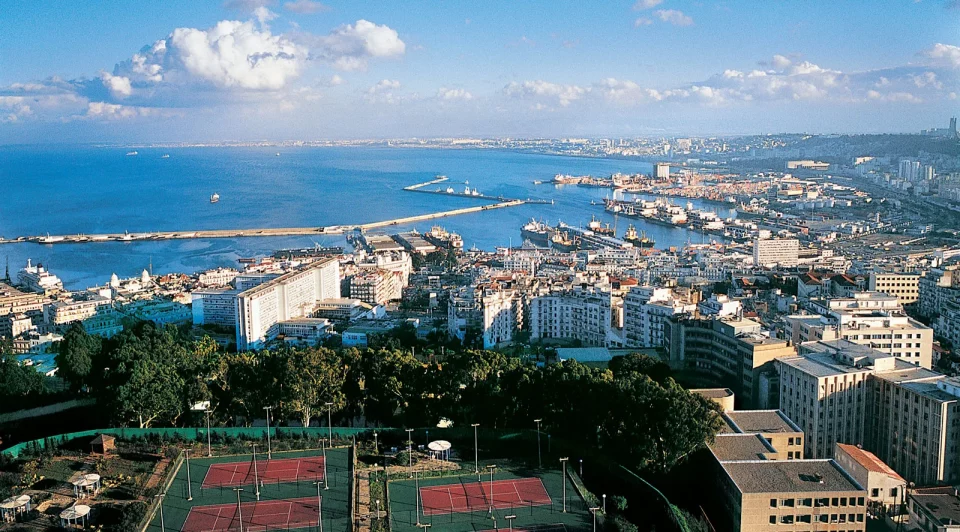
There are countries that sell themselves loudly, and there are countries that do not need to. Algeria belongs firmly to the latter. It does not chase attention, yet it leaves a lasting impression on those who take the time to understand it. In a global landscape where tourism is often engineered and commercialised, Algeria feels almost untouched—an anomaly in the modern world.
Stretching across vast territory, it is the largest country in Africa, a geographical giant with an identity to match. What makes Algeria remarkable is not only its size, but its diversity. Few nations can offer such a dramatic range of landscapes within a single border: snow-covered mountains in winter, Mediterranean beaches in summer, fertile agricultural plains, and the endless expanse of the Sahara. Travelling across Algeria can feel less like moving through regions and more like crossing continents.
Its natural wealth is equally striking. Rich in energy resources, minerals, and agricultural potential, Algeria stands at a pivotal moment in its economic development. With global demand shifting and supply chains being rethought, the country is increasingly positioned as one of the fastest-rising economies in its region. Yet unlike others, its growth is not built on a single pillar. Energy exports, agriculture, and industrial ambition combine to form a foundation that is both resilient and forward-looking.
But Algeria’s true strength does not lie solely beneath its soil—it lies within its people.
There is a distinct cultural confidence in Algeria, shaped by centuries of history. Phoenician traders, Roman builders, Ottoman influence, and French colonial legacy have all left their mark. The result is a civilisation layered with stories, visible in its ruins, its cities, and its traditions. From ancient Roman sites standing quietly under open skies to historic urban centres where time seems to move differently, Algeria offers authenticity in a way that cannot be manufactured.
What sets the country apart, however, is something less tangible but immediately felt: its generosity.
In many parts of the world, tourism has created a transactional culture. Visitors are often seen first as customers, sometimes as opportunities. Algeria breaks that pattern. Hospitality here is not an industry—it is a reflex. It is not uncommon for a stranger to insist on paying for a meal, or for a simple request, like a bottle of water, to be met with a gesture of kindness rather than a bill. These moments are not orchestrated; they are genuine expressions of a deeply rooted cultural value.
This stands in stark contrast to experiences travellers may encounter elsewhere, where pricing can shift depending on who you are, or where persistent selling becomes part of the journey. Algeria offers something different: a sense of being welcomed rather than targeted. It is a subtle but powerful distinction, and one that leaves a profound impression.
There is also a quiet dignity in how Algerians view themselves and their country. Pride is present, but it is not performative. It does not seek validation from outsiders. Instead, it is anchored in history, resilience, and a shared understanding of identity. This pride coexists with openness—a willingness to share, to explain, and to include.
At a time when the world is searching for new economic partners, new travel destinations, and new cultural experiences, Algeria presents a compelling case. It is a country where modern ambition meets deep tradition, where economic potential aligns with natural abundance, and where human connection still takes precedence over commercial gain.
Algeria does not try to be everything to everyone. It simply is what it is—a country of contrasts, of depth, and of quiet strength. And perhaps that is precisely why it stands out.
For those willing to look beyond the obvious, Algeria is not just a destination. It is a discovery.