
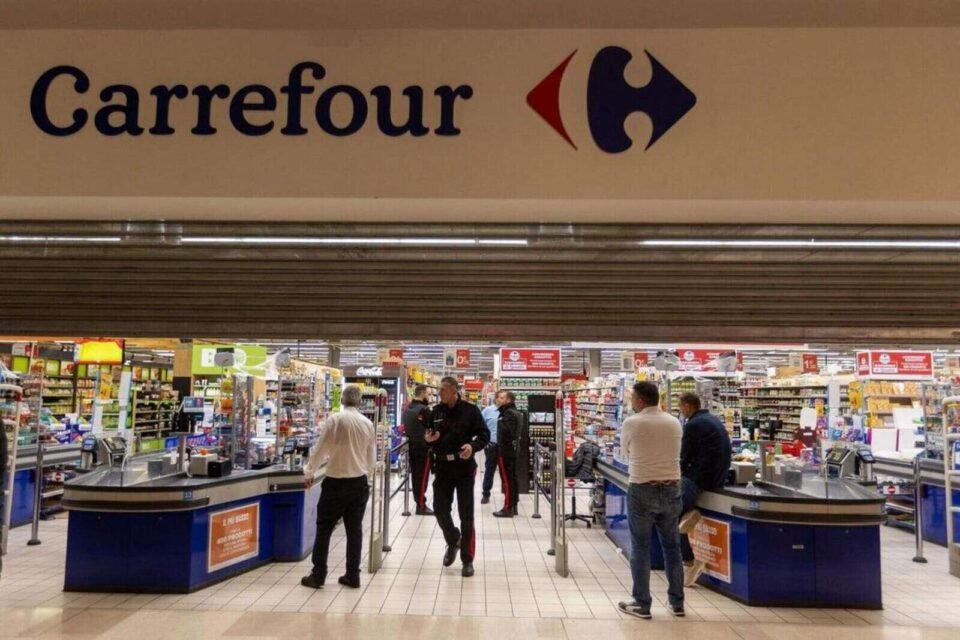
Carrefour, one of the world’s largest supermarket groups, is continuing to reshape its global operations in 2026 as it responds to rising competition, inflationary pressure, and changing consumer habits. The French retail giant, with a strong presence across Europe, Latin America, and parts of the Middle East, is focusing on streamlining its portfolio while strengthening core markets.
A key theme for Carrefour this year is simplification. The company has been reviewing its international operations to identify markets where performance is strong and others where restructuring or divestment may be necessary. This strategy reflects a broader trend in global retail: focusing resources on profitable regions rather than maintaining a wide but uneven global footprint.
One of the most significant developments has been Carrefour’s ongoing adjustments in Eastern Europe. The company has explored strategic options for certain regional assets, aiming to reduce exposure in lower-margin markets while strengthening its position in Western Europe and Latin America. This reflects a shift toward a more disciplined and focused business model.
In its core markets, Carrefour is continuing to invest in competitiveness. France, Spain, and Brazil remain central to its strategy, with efforts focused on pricing, store modernization, and supply chain efficiency. Competition in these markets is intense, particularly from discount retailers that continue to gain share by offering consistently low prices. Carrefour has responded by expanding its private-label ranges and improving price perception across essential goods.
Private-label products are a major pillar of Carrefour’s strategy. Store brands now represent a significant portion of total sales, helping the company protect margins while offering customers more affordable options. In 2026, Carrefour is continuing to expand these ranges, including premium private-label lines designed to compete with branded products. This dual approach allows the company to serve both budget-conscious and higher-end consumers.
Digital transformation is another key focus area. Carrefour has been investing in e-commerce platforms, delivery services, and omnichannel retail systems that connect physical stores with online shopping. Customers increasingly expect flexibility in how they shop, and Carrefour is working to ensure that online ordering, home delivery, and click-and-collect services operate smoothly across all major markets.
However, online grocery retail remains challenging. While demand continues to grow, it also brings higher operational costs, particularly in logistics and last-mile delivery. Carrefour is working to improve efficiency through better forecasting systems and warehouse optimisation, but profitability in digital retail remains a long-term challenge for the sector as a whole.
Supply chain management has become increasingly important due to global disruptions and cost volatility. Carrefour is investing in stronger supplier relationships and more regional sourcing strategies to reduce dependency on long and complex supply chains. This helps improve resilience while also supporting cost control in an environment of fluctuating prices for food and energy.
Store formats are also evolving. Carrefour operates a wide variety of store types, from hypermarkets to small urban convenience stores. In recent years, there has been a noticeable shift toward smaller formats, particularly in cities where consumer behaviour favours frequent, smaller shopping trips. The company is adapting its store network accordingly, closing or transforming underperforming locations while investing in more flexible formats.
Sustainability is another major priority for Carrefour. The company has committed to reducing carbon emissions, improving packaging standards, and promoting more sustainable sourcing practices. Environmental expectations from consumers and regulators are increasing, and Carrefour is positioning itself as a leader in responsible retailing. However, these initiatives also require investment and careful cost balancing.
Labour and operational efficiency remain ongoing challenges. With a large international workforce, Carrefour must manage differences in labour laws, wage pressures, and productivity expectations across regions. Automation and digital tools are being introduced in logistics and store operations to improve efficiency, but human labour remains central to supermarket retail.
Inflation continues to shape the retail environment. While price increases have slowed compared to earlier years, consumer sensitivity to pricing remains high. Carrefour must carefully manage pricing strategies to remain competitive without eroding margins. This often involves a combination of targeted promotions, private-label expansion, and cost control measures across operations.
Despite the challenges, Carrefour remains one of the most important players in global grocery retail. Its scale, geographic diversity, and brand recognition provide significant advantages. However, the company’s success will depend on how effectively it can execute its restructuring strategy while maintaining competitiveness in key markets.
Looking forward, Carrefour is expected to continue focusing on three main priorities: portfolio simplification, digital growth, and price competitiveness. The supermarket industry is becoming more concentrated and efficiency-driven, and Carrefour’s ability to adapt to these trends will determine its long-term position.
In a rapidly evolving retail landscape, Carrefour is not just competing on price or size, but on its ability to transform itself into a more focused and agile global operator.