
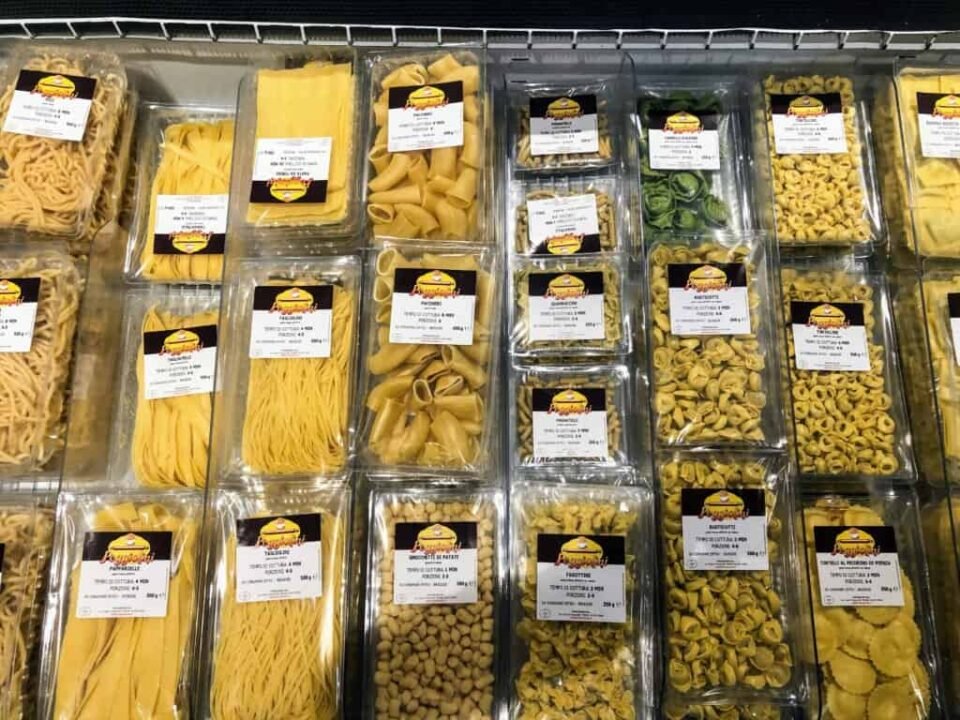
The pasta aisle is undergoing a quiet but decisive transformation. For decades, dry pasta defined the category—reliable, affordable and a staple in every household. Today, that dominance is being challenged. Fresh pasta is no longer a niche indulgence; it is becoming a central driver of growth and profitability for supermarkets.
This shift is not about volume replacing volume. It is about value, perception and changing consumer expectations.
Dry pasta still leads in overall consumption, supported by its long shelf life and low cost. It remains an essential product, particularly in price-sensitive markets. However, fresh pasta is rapidly gaining ground where it matters most for retailers—margin, differentiation and customer experience.
Supermarkets are responding accordingly. The expansion of refrigerated sections is not incidental; it reflects a deliberate strategy to elevate fresh and chilled categories. Fresh pasta sits at the intersection of convenience and premiumisation, offering retailers an opportunity to increase basket value while meeting evolving consumer demand.
The success of fresh pasta is driven by a fundamental shift in how people approach food. Consumers are no longer satisfied with basic functionality. They are looking for quality, authenticity and a sense of indulgence, even in everyday meals. Fresh pasta delivers on all three. It offers a softer texture, richer flavour and a perception of being closer to restaurant-quality dining.
Convenience also plays a critical role. Fresh pasta aligns perfectly with modern lifestyles, where time is limited but expectations remain high. It cooks quickly, pairs easily with fresh ingredients and fits naturally into the growing demand for meal solutions that are both fast and satisfying.
Health perception is another factor shaping the category. Fresh products are increasingly associated with simplicity and transparency. Consumers are paying more attention to ingredient lists, favouring options that feel less processed and more natural. Fresh pasta benefits directly from this trend.
Yet, despite its momentum, fresh pasta faces structural limitations. Its short shelf life requires efficient logistics and careful inventory management. Refrigeration adds cost and complexity, making it less accessible in certain markets. These factors ensure that dry pasta will not disappear. On the contrary, it will continue to dominate in volume and remain a cornerstone of the category.
What is changing is the balance. The pasta aisle is evolving into a dual structure. Dry pasta holds its position as the everyday essential, driven by price and practicality. Fresh pasta, meanwhile, is establishing itself as the premium tier, driving value and shaping consumer perception.
For retailers, this is a strategic opportunity. The growth of fresh pasta is not just about selling a different product—it is about redefining the category. It allows supermarkets to move beyond price competition and towards experience-led retail, where quality and differentiation become key drivers of success.
Fresh pasta is not replacing dry pasta, but it is redefining the rules of the game. In doing so, it is reshaping one of the most traditional categories in modern retail.