
Why Prices Are Set to Rise Again in 2026
By James Taylor | ISN Magazine Editorial . Feature sponsored by Organisation mondial du commerce equitqble
There is a quiet but unmistakable tension building across the global coffee market, one that is not yet fully reflected on supermarket shelves but is already deeply felt by traders, farmers, and buyers operating at every level of the supply chain. Over the past three months, ISN Magazine has followed this story from plantations in Latin America to trading floors in Europe, and what emerges is not a single explanation but a convergence of pressures that together are reshaping the economics of coffee. Prices are not simply rising because of a short-term imbalance; they are being pushed upward by structural forces that suggest 2026 may not bring relief, but rather confirmation that the market has entered a new and more complex phase.
The tone among traders is noticeably different from previous cycles, with many describing a market driven less by fundamentals and more by anticipation. A senior trader in Geneva explained that what is being traded today is no longer just coffee itself but the perception of risk, noting that the market reacts faster than ever before to expectations, often pricing in potential disruptions long before they occur, which creates movements that can appear disconnected from physical supply. This shift has made the market more reactive and, in many ways, more fragile, as confidence becomes as important as actual availability.
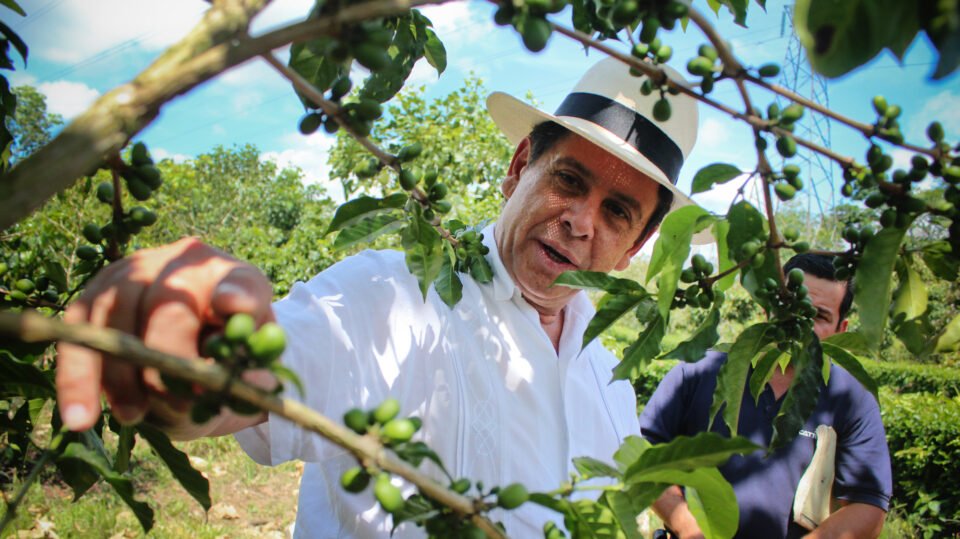
At the centre of this transformation is climate, which has moved from being a secondary concern to the dominant force shaping production and pricing. In Brazil and Vietnam, the world’s two largest producers, weather patterns have become increasingly unpredictable, with droughts, irregular rainfall, and temperature fluctuations disrupting harvest cycles in ways that were once rare but are now becoming common. A Brazilian exporter described how traditional models based on historical data are no longer reliable, explaining that the industry now operates in a constant state of vigilance, where daily weather forecasts can influence market sentiment as much as confirmed production figures. For farmers, this unpredictability translates into rising risk and uncertainty, as investments must be made months in advance without any guarantee of returns. A grower in Honduras reflected this reality by explaining that each season feels less predictable than the last, with changing weather conditions forcing producers to spend more just to maintain output, creating a situation where rising prices do not necessarily translate into improved profitability but rather into the ability to continue operating.
While climate is setting the tone, supply remains a critical and fragile element of the equation. There are expectations that production will improve in 2026, particularly in Brazil, where forecasts suggest a stronger crop, yet this does not automatically lead to stability. Years of tight supply have reduced global stock levels, leaving little margin for error and increasing the market’s sensitivity to any disruption. A European importer highlighted that the issue is not simply whether coffee is available at a given moment but whether there is enough resilience in the system to absorb shocks, pointing out that the absence of a buffer means that even minor problems can trigger significant price reactions. This underlying fragility ensures that the market remains on edge, with participants constantly assessing the risk of sudden changes.
Adding further complexity is the growing influence of financial markets, where coffee is increasingly treated as an asset subject to speculative activity. Prices are shaped not only by physical supply and demand but also by the behaviour of funds and traders responding to a wide range of signals, from weather forecasts to currency movements. A commodities broker noted that the market has become highly sensitive to expectations, with forecasts alone capable of driving price movements before any measurable impact on production occurs, while another trader observed that there are moments when prices rise sharply despite no immediate change in physical conditions, reflecting the dominance of financial positioning over tangible factors. This dynamic amplifies volatility and makes the market more difficult to interpret, as it introduces an additional layer of complexity that extends beyond traditional supply and demand analysis.
At the production level, farmers are facing increasing pressure from rising costs, which are reshaping the economics of coffee cultivation. Inputs such as fertiliser and labour have become significantly more expensive, while the need to invest in climate adaptation adds further strain. A Colombian farmer explained that the perception of higher prices benefiting producers does not always match reality, as increased costs often absorb any additional revenue, leaving farmers in a position where they are working harder simply to maintain their operations. In some regions, this pressure is leading to difficult decisions about the future of coffee farming, with producers considering whether the risks and returns remain viable. A Central American grower expressed this concern by noting that without sustainable income, continuing in coffee becomes increasingly difficult, raising the possibility of reduced production in the years ahead.
Logistics has also emerged as a significant factor influencing prices, reflecting broader disruptions in global trade. Transport costs have become more volatile, routes less predictable, and delays more frequent, all of which contribute to the overall cost of bringing coffee to market. A logistics manager in Antwerp explained that what was once a relatively stable component of the supply chain has become a source of uncertainty, with fluctuations in freight costs and ongoing disruptions now playing a direct role in pricing. This adds another layer of pressure, as even when production conditions improve, inefficiencies in transportation can offset those gains and maintain upward pressure on prices.
On the demand side, coffee continues to show resilience, with consumption remaining strong across both traditional and emerging markets. However, rising prices are beginning to influence behaviour, leading to adjustments at multiple levels of the market. Retailers and roasters are adapting by managing costs and refining their offerings, while consumers are becoming more conscious of price differences. A buyer in the United Kingdom noted that although coffee remains an essential part of daily routines for many consumers, there is a growing sensitivity to price increases, which is prompting subtle shifts in purchasing decisions. This suggests that while demand is unlikely to collapse, it may become more responsive to changes in price, adding another variable to an already complex system.
Taken together, these factors point to a market undergoing a structural transformation rather than a temporary imbalance. Climate instability, fragile supply, speculative activity, rising costs, and logistical challenges are interacting in ways that reinforce one another, creating a system that is both dynamic and unpredictable. The expectation among many industry participants is that while prices may ease slightly if production improves, a return to the stability of previous decades is unlikely. As one senior trader concluded, the market has entered a phase where volatility is no longer an exception but a defining feature, with prices reflecting a continuous reassessment of risk across multiple dimensions.
The implications of this shift extend beyond the coffee sector itself, affecting retailers, producers, and consumers in different ways. For retailers, it means navigating a more uncertain pricing environment where margins are under pressure and planning becomes more complex. For farmers, it underscores the need for resilience and support in adapting to changing conditions. For consumers, it signals that the cost of a daily cup of coffee is increasingly shaped by global forces that extend far beyond the point of purchase. Coffee, once considered a relatively stable commodity, is now at the centre of a complex and evolving system, one that reflects broader changes in climate, economics, and global trade.
What ISN’s three-month investigation ultimately reveals is not just a story of rising prices but a deeper transformation of the coffee market itself. This is no longer a sector defined by predictable cycles and gradual adjustments, but one characterised by rapid shifts, heightened sensitivity to risk, and a growing interconnection between physical production and financial markets. The question is no longer whether prices will fluctuate, but how industry participants will adapt to a reality in which volatility is a constant presence. As the market moves further into 2026, the challenge will not simply be to understand these changes but to respond to them in ways that ensure sustainability across the entire supply chain, from farm to consumer.