
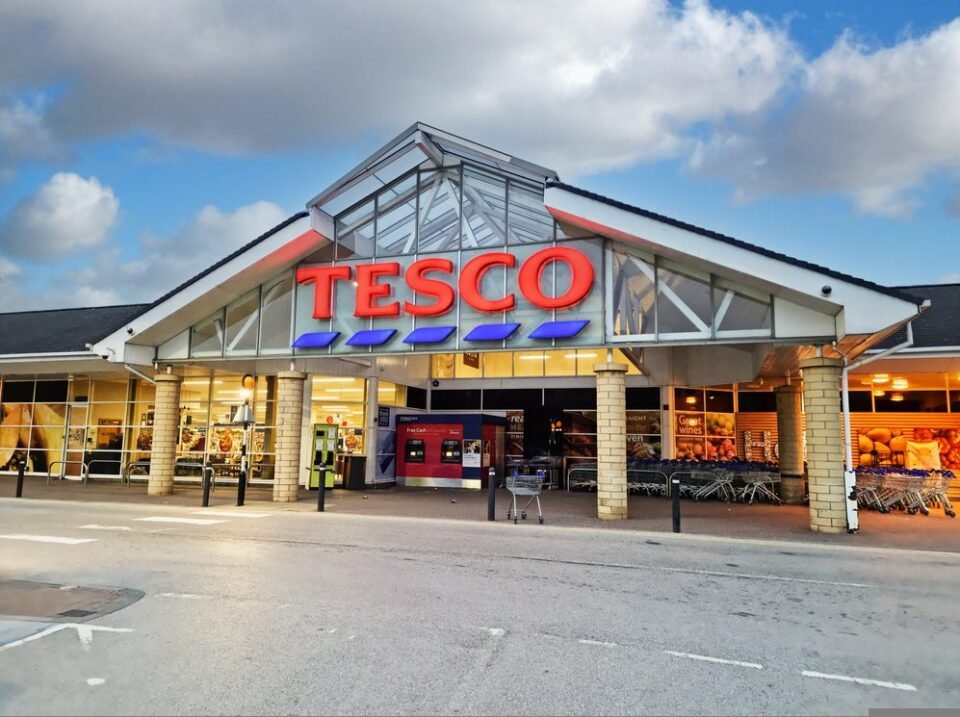
Tesco’s decision to extend its Aldi Price Match scheme into its convenience stores is more than a tactical pricing update—it reflects a deeper shift in how supermarkets are competing.
The battle is no longer centered on weekly supermarket trips or large trolley shops. It has moved into the everyday, fragmented purchases people make close to home. By applying discounter-level pricing in smaller urban and neighbourhood stores, Tesco is effectively admitting that value now defines loyalty more than brand or format.
This move also highlights the pressure traditional retailers face from discount chains. When competitors build their entire identity around low prices, established supermarkets are forced to respond not just in big stores, but everywhere customers shop.
However, this strategy carries a structural tension. Matching discounter prices across thousands of locations increases cost pressure and squeezes margins, raising a long-term question: how long can full-service retailers replicate discount models before the economics stop working?
For consumers, the short-term outcome is straightforward—lower prices closer to home. For the industry, the implications are more complex. If price parity becomes universal, supermarkets will need to compete more aggressively on efficiency, logistics, and convenience rather than discounts alone.
What Tesco is doing is not just expanding a promotion. It is reshaping what “everyday value” means in modern grocery retail.