
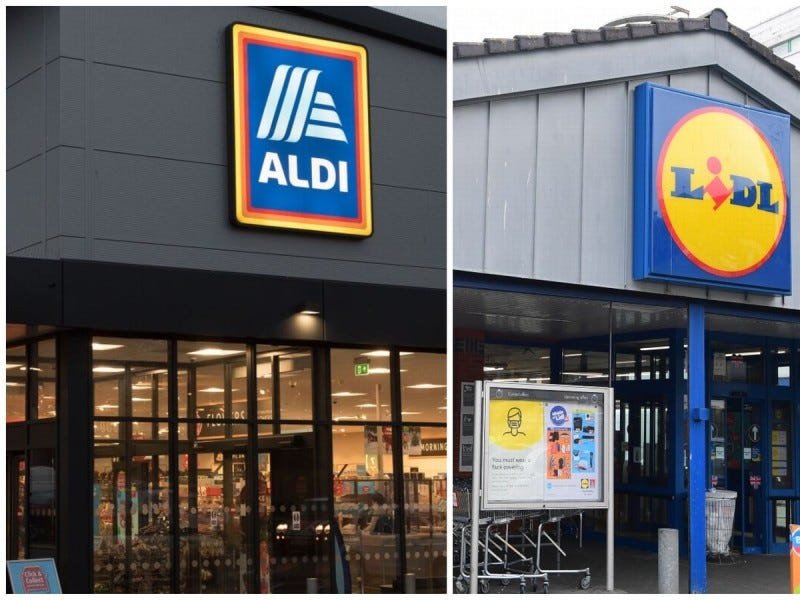
A fresh dispute has emerged in the UK grocery sector, as three established supermarket chains — Sainsbury’s, Morrisons, and Iceland — call on regulators to overhaul competition rules they say no longer reflect today’s retail landscape.
At the heart of the row are German discount giants Aldi and Lidl, which have benefited for years from regulatory exemptions originally designed to support smaller, emerging players. When those rules were introduced more than a decade ago, Aldi and Lidl held only a marginal share of the UK grocery market. Today, they are among its most influential competitors.
The current framework restricts large supermarket chains from using planning agreements to block rival stores from opening nearby — a measure intended to protect competition and consumer choice. However, Aldi and Lidl have remained exempt from some of these constraints, allowing them greater flexibility in securing and developing new sites.
Rival supermarkets argue that this imbalance now distorts competition. With Aldi and Lidl commanding a significantly larger share of the market, they contend the discounters should be subject to the same rules as everyone else. In their view, maintaining outdated exemptions gives the two chains an unfair advantage in expansion, particularly in densely populated areas where store locations are fiercely contested.
From Aldi and Lidl’s perspective, their business model still justifies the distinction. Both companies continue to position themselves as low-cost retailers, offering a limited product range and streamlined store operations to keep prices down. They argue that increased regulatory burdens could ultimately weaken their ability to deliver value to consumers — a key factor behind their popularity during a prolonged cost-of-living squeeze.
The debate highlights a broader question facing regulators: when does a disruptive challenger become part of the establishment? As discount supermarkets evolve from niche alternatives into dominant forces, the policies designed to nurture competition may require reassessment.
A decision from the UK’s competition authorities is expected in the coming months. Its outcome could reshape not only how supermarkets expand, but also how competition itself is defined in a market where yesterday’s outsiders have become today’s heavyweights.