
Waitrose occupies a unique position in the UK supermarket landscape. Unlike mass-market competitors that compete heavily on price, Waitrose has built its identity around quality, service, and a more premium shopping experience. In 2026, this positioning remains both its greatest strength and its biggest challenge, as the cost of living continues to influence how consumers shop.
One of the defining features of Waitrose is its focus on higher-quality food and sourcing standards. The brand has long emphasized responsibly sourced ingredients, strong supplier relationships, and a curated product range. This approach appeals to customers who are willing to pay more for perceived quality and ethical standards. However, in a market where price sensitivity is increasing, maintaining this premium image requires careful balance.
A major challenge for Waitrose is the ongoing pressure from discount supermarkets. As household budgets tighten, more consumers are willing to switch to lower-cost alternatives. This has made it harder for premium retailers to grow their customer base. Waitrose cannot compete directly on price without undermining its brand identity, so instead it focuses on reinforcing the value of quality rather than reducing costs.
Customer loyalty plays a central role in Waitrose’s strategy. The company has worked to strengthen its membership and rewards systems, aiming to encourage repeat shopping and deeper engagement. Rather than relying on frequent price promotions, Waitrose often uses targeted offers and personalized benefits. This helps maintain its premium positioning while still providing incentives for customers to stay loyal.
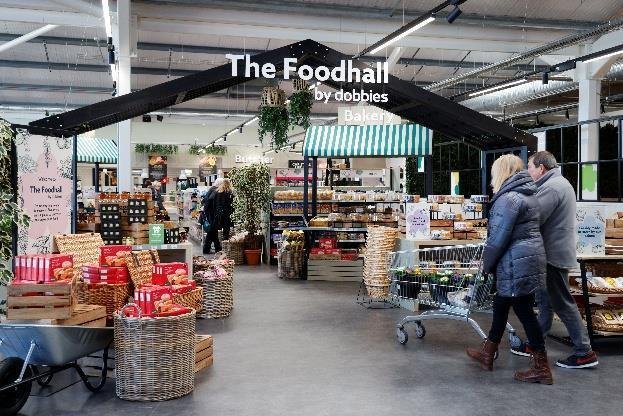
Another important aspect of Waitrose’s approach is its store experience. Its supermarkets are designed to feel more spacious, organized, and service-oriented than many competitors. Staff training and customer service are key priorities, as the company aims to differentiate itself through experience rather than just price or convenience. This focus on service is part of what justifies its higher price point in the eyes of many shoppers.
However, operating a premium supermarket model comes with higher costs. From sourcing to staffing to store design, Waitrose invests more per store than many of its competitors. In a competitive and inflation-sensitive market, this creates pressure on margins. The company must carefully manage efficiency without diluting the qualities that define its brand.
Convenience is also becoming increasingly important for Waitrose. While it has traditionally focused on larger stores in affluent areas, consumer habits are changing. More people now expect flexible shopping options, including smaller stores, online ordering, and rapid delivery services. Waitrose has been expanding its digital capabilities to meet these expectations, investing in online platforms and logistics systems to improve reliability and speed.
Online grocery shopping is now a core part of Waitrose’s business. Customers expect high-quality products to be available with the same level of service online as in-store. This requires strong supply chain coordination and efficient delivery networks. While online retail offers growth opportunities, it also increases operational complexity and cost.
Sustainability is another area where Waitrose has positioned itself strongly. Many of its customers expect environmentally responsible practices, and the company has responded with initiatives aimed at reducing plastic packaging, improving animal welfare standards, and cutting carbon emissions. These efforts align with its premium identity but also require ongoing investment.
Supply chain stability remains a key concern across the industry, and Waitrose is no exception. Global disruptions, climate-related challenges, and rising input costs have all affected food availability and pricing. The company works closely with suppliers to maintain consistency and quality, but external pressures continue to influence operations.
Despite the challenges, Waitrose benefits from a strong brand reputation. It is widely associated with quality and trust, which helps it retain a loyal customer base. Even in times of economic pressure, there remains a segment of consumers who prioritize quality over price, and Waitrose is well positioned to serve this group.
Looking ahead, the company’s main challenge is maintaining relevance in a market that is increasingly defined by value competition. While it is unlikely to compete directly with discount retailers, it must ensure that customers continue to see clear reasons to choose it over cheaper alternatives. This means reinforcing quality, improving convenience, and maintaining excellent service.
Waitrose’s future depends on its ability to preserve its premium identity while adapting to modern retail expectations. It must continue to evolve in areas like digital shopping and logistics, without losing the characteristics that define its brand. Striking this balance will be essential for long-term success.
In a changing supermarket landscape, Waitrose represents a different kind of strategy—one based not on being the cheapest, but on being consistently better in quality and experience. Whether this approach can continue to succeed will depend on how well it adapts to economic pressures while staying true to its core values.