
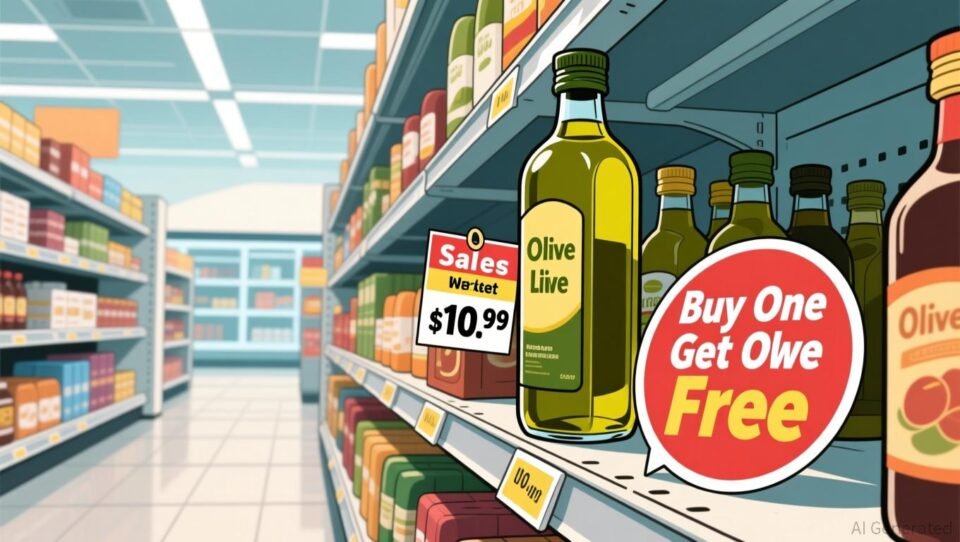
When a “Deal” Stops Looking Like a Deal
Grocery shoppers are used to the familiar rhythm of supermarket promotions: bright shelf tags, bold “buy one, get one free” signs, and the feeling that a small win has been found in an expensive weekly shop. But a new legal challenge against Albertsons is forcing a harder question—what if some of those deals are not as generous as they appear?
Washington state’s lawsuit alleges that the supermarket chain engaged in a pattern of inflating base prices before applying BOGO offers, creating the impression of a discount while potentially leaving customers paying more than they otherwise would. The central concern is not just pricing strategy, but transparency: whether shoppers were being shown genuine savings or carefully packaged illusions of value.
Albertsons disputes the claims, arguing that its promotions are lawful and accurately reflect savings. That disagreement will now be tested in court. But beyond the legal arguments lies a broader issue affecting the entire grocery sector: the growing complexity of pricing in an environment where inflation, loyalty schemes, and promotional cycles already make true value harder to judge.
For consumers, the appeal of BOGO offers has always been simplicity—two items for the price of one sounds straightforward. Yet if the starting price is quietly adjusted upward, the clarity begins to fade. What remains is a promotional system that can feel increasingly opaque, where “discounts” depend heavily on what price is chosen as the reference point.
This case also highlights a wider regulatory trend: increased scrutiny of retail marketing practices that rely on psychological appeal rather than transparent savings. Whether or not Albertsons is ultimately found liable, the lawsuit reflects a shifting expectation that grocery pricing should be understandable at a glance, not deciphered after the fact.
In the end, the issue is not just about one retailer or one promotion style. It is about trust at the checkout line. And in a time when household budgets are already stretched, that trust may prove to be the most valuable currency of all.