
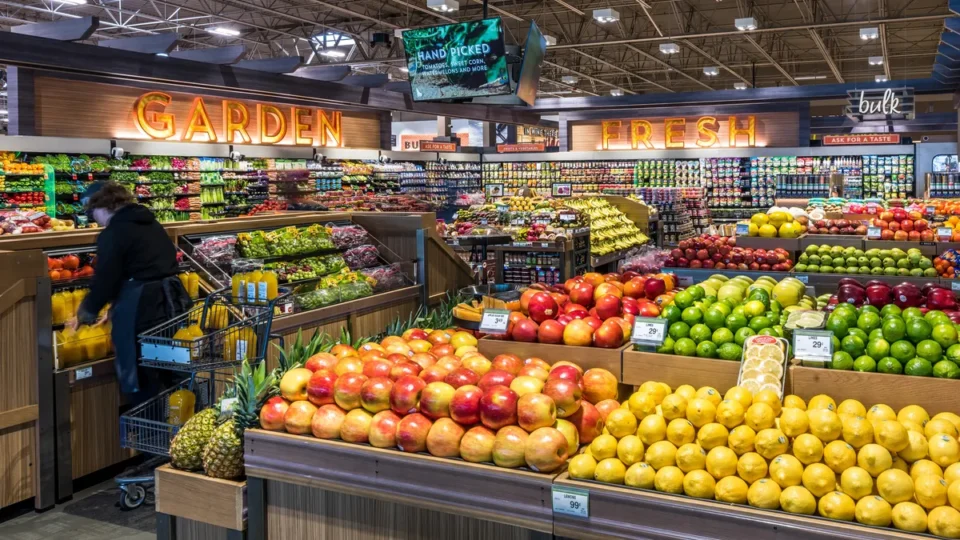
Albertsons is facing renewed pressure in 2026 as the US grocery market continues to tighten under the weight of rising costs, aggressive competition, and shifting consumer behaviour. The supermarket group, which operates a wide network of stores across the United States, is working to protect its market position while adapting to an industry that is becoming more price-sensitive and efficiency-driven.
The company is operating in a highly competitive environment where major players are fighting for the same customers. Discount-focused retailers continue to expand, while larger chains such as Walmart dominate through scale and logistics power. In this landscape, Albertsons is under pressure to maintain relevance by improving pricing strategies and operational performance.
One of the main challenges for Albertsons is cost inflation across the supply chain. Higher transportation expenses, labour costs, and supplier pricing are all affecting margins. Like many grocery retailers, the company has limited flexibility to fully pass these costs onto customers without risking loss of market share. As a result, it has been working to absorb some of the pressure internally while selectively adjusting prices where necessary.
In response, Albertsons has been focusing on efficiency improvements across its operations. This includes better inventory management, streamlined distribution processes, and increased use of data to forecast demand. By improving how products are stocked and moved through its system, the company aims to reduce waste and improve availability in stores. These operational adjustments are becoming increasingly important as margins remain tight.
Digital retail is another key area of focus. Albertsons has expanded its online grocery services, including delivery and pickup options, as more customers shift toward hybrid shopping habits. While online grocery has become an essential part of the business, it also presents challenges. Fulfilment costs are higher than in-store shopping, and customers expect fast, accurate service. Balancing these expectations with profitability remains a central issue.
The company is also investing in loyalty programs and personalised promotions. By using customer data, Albertsons can target discounts more effectively rather than relying on broad price reductions. This approach is intended to protect margins while still offering value to shoppers. However, competition in this area is intense, with most major retailers now using similar data-driven strategies.
Store performance varies across regions, but Albertsons is continuing efforts to modernise its locations. Upgrades include improved layouts, better refrigeration systems for fresh food, and enhanced checkout technology. These changes are designed to improve customer experience and increase efficiency, particularly in high-traffic stores. The goal is to create a more consistent shopping experience across its large and diverse store network.
Private-label products remain an important part of Albertsons’ strategy. Store-brand items help the company compete on price while maintaining better control over margins compared to national brands. In 2026, Albertsons is continuing to expand its private-label offerings across multiple categories, including fresh food, household goods, and premium ranges. This helps attract both value-focused and quality-conscious shoppers.
The broader US grocery sector is also seeing increased consolidation, and Albertsons remains part of ongoing industry discussions about scale and competitiveness. Larger networks are better positioned to handle cost pressures and negotiate with suppliers, making size an increasingly important factor in long-term survival. While consolidation brings opportunities, it also raises regulatory and operational complexity.
Sustainability is another area where Albertsons is under growing expectations. Consumers and regulators are placing more emphasis on environmental responsibility, pushing supermarkets to reduce packaging waste, improve energy efficiency, and cut emissions. Albertsons has introduced initiatives in these areas, but like many retailers, it must balance sustainability goals with financial constraints.
Labour remains a significant operational factor. With a large workforce across hundreds of stores, Albertsons must manage staffing costs, training, and retention carefully. Labour shortages in parts of the retail sector have added further pressure, making workforce planning an ongoing priority.
Despite the challenges, Albertsons retains a strong position in the US grocery market. Its extensive store network and established customer base provide stability, even in a competitive environment. However, the company’s future performance will depend heavily on how effectively it can adapt to structural changes in the industry.
Looking ahead, Albertsons is expected to continue focusing on efficiency, digital growth, and pricing discipline. The supermarket sector is evolving quickly, and success will depend on the ability to respond to cost pressures while maintaining customer loyalty. For Albertsons, the challenge is not just growth, but maintaining position in a market where every percentage point of margin matters.