

Spain has long held a special place in the world of fine food. From the sun-drenched groves of Andalusia to the traditional curing houses of Iberian ham producers, the south of Spain is often seen as the heartland of quality ingredients—where olive oil is not just a product, but a culture, and where charcuterie carries centuries of craft.
In this context, premium food distribution plays a crucial role: connecting small, high-quality producers with markets that increasingly demand authenticity, traceability, and excellence.
Today we speak with Eduardo González-Regalado Batllés, founder of González-Regalado Gourmet, a distribution company specializing in high-end Spanish products including charcuterie, olives, and extra virgin olive oil. His company has built a reputation around carefully selected suppliers and a strong focus on quality over volume.
Interview
Q1 — To begin, could you introduce González-Regalado Gourmet and what defines your approach to Spanish gourmet distribution?
We are a company focused on selecting and distributing premium Spanish food products, with a strong emphasis on origin, craftsmanship, and consistency. Our philosophy is simple: we don’t sell volume—we sell quality. Every product we work with must reflect the tradition and integrity of its region of origin, especially from southern Spain.
Q2 — Your products are positioned as high-end. Do you see a possibility of adapting this range for supermarket-style distribution and pricing?
That is a very important question. In theory, yes—but with limits. Supermarkets require scale, uniformity, and competitive pricing, which can sometimes conflict with artisanal production methods. We can adapt certain lines for broader retail, but we must be careful not to dilute what makes the product special. The challenge is maintaining identity while increasing accessibility.
Q3 — Large distributors often require very high production capacity. Can your producers meet that level of demand consistently?
Some can, and some cannot. We work with a network of producers, so scalability depends on the product category. Olive oil, for example, can scale more easily than niche cured meats. However, we never force production beyond natural capacity, because that risks compromising quality. Growth has to be controlled and sustainable.
Q4 — Could you talk us through the range of products you currently distribute?
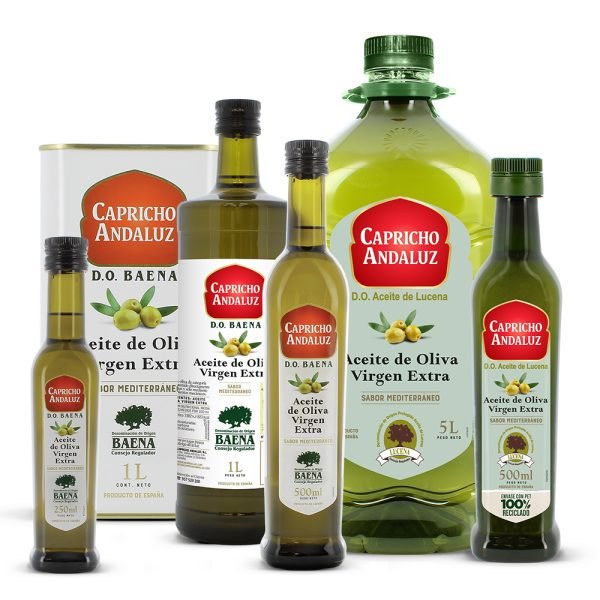
Our core categories include extra virgin olive oils from Andalusia, traditionally cured Iberian charcuterie, table olives in various regional preparations, and select gourmet preserves. Each category represents a different aspect of Spanish culinary heritage. We also occasionally work with specialty items depending on harvest and producer availability.
Q5 — Finally, what do you think is driving global demand for Spanish gourmet products today?
There is a growing appreciation for authenticity. Consumers are more informed—they want to know where food comes from, how it is produced, and who is behind it. Spanish products, especially from the south, offer a strong combination of tradition, flavour, and Mediterranean identity. That resonates strongly in international markets today.