
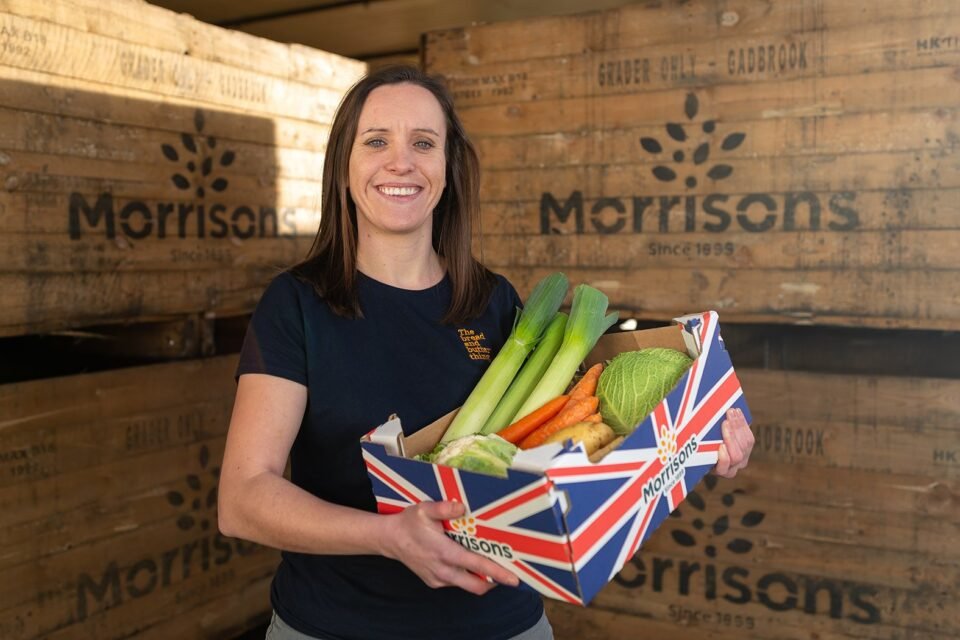
Morrisons has always stood slightly apart from other major UK supermarkets. With its strong focus on fresh food and a more vertically integrated supply chain, it has traditionally controlled more of its production process than many competitors. This approach has been both a strength and a challenge. In 2026, Morrisons is working to redefine its position in a market that is changing rapidly, as it faces pressure from discount retailers and evolving consumer expectations.
One of the key features that distinguishes Morrisons is its emphasis on fresh products. Many of its stores include in-house bakeries, butcher counters, and fishmongers. This gives the company a level of control over quality that is difficult for competitors to match. It also allows Morrisons to present itself as a supermarket that offers something closer to a traditional market experience. However, maintaining these services is expensive, especially at a time when cost efficiency is critical.
The rise of discount chains has created a major challenge for Morrisons. Retailers focused on low prices have been gaining market share, attracting customers who are increasingly sensitive to cost. Unlike some competitors, Morrisons cannot easily compete by simply lowering prices across the board. Its operating model involves higher costs, particularly in areas like staffing and fresh food preparation. As a result, the company must find other ways to remain competitive.
One approach has been to highlight the value of quality. Morrisons is trying to convince customers that paying slightly more is worthwhile for better freshness and product standards. This strategy depends on effective communication and consistent delivery. If customers feel that the quality difference is clear, they may be willing to stay loyal. If not, they are likely to switch to cheaper alternatives.
At the same time, Morrisons has been working to improve its efficiency. This includes reviewing its supply chain, reducing unnecessary costs, and simplifying operations where possible. The goal is to create a more balanced business that can offer competitive prices without losing its distinctive strengths. Achieving this balance is not easy, as cutting costs too aggressively could weaken the very qualities that make Morrisons unique.
Convenience is another area where the company is adapting. Traditionally focused on larger stores, Morrisons has been expanding its presence in smaller formats and local locations. These stores are designed to meet the needs of customers who prefer quick and easy shopping trips. This shift reflects broader changes in consumer behavior, as people move away from large weekly shops toward more frequent visits.
Online shopping has also become a critical part of Morrisons’ strategy. While the company was slower than some competitors to develop its digital services, it has been investing in this area. Home delivery and click-and-collect options are now essential, and customers expect them to work smoothly. Building an efficient online operation requires significant resources, but it is necessary to remain relevant in the modern retail environment.
Supply chain resilience has become increasingly important in recent years. Global disruptions have affected the availability and cost of many products, creating challenges for supermarkets. Morrisons’ integrated model gives it some advantages, as it has more direct control over certain parts of its supply chain. However, it is not immune to wider market pressures, such as rising energy costs and transportation issues.
Sustainability is another focus for the company. Consumers are paying more attention to environmental issues, and supermarkets are expected to respond. Morrisons has introduced initiatives aimed at reducing plastic use, cutting food waste, and improving energy efficiency. These efforts are important for maintaining a positive brand image, but they also require careful management to ensure they do not significantly increase costs.
Despite the challenges, Morrisons still has a clear identity. Its emphasis on fresh food and in-store preparation sets it apart in a market where many supermarkets rely heavily on pre-packaged products. This identity can be a powerful advantage if it is communicated effectively and supported by consistent quality.
Looking ahead, the company faces a complex set of decisions. It must find ways to compete on price without abandoning its strengths. It needs to modernize its operations while preserving the elements that make it distinctive. And it must continue to adapt to changing consumer habits, particularly in areas like convenience and online shopping.
Morrisons’ future will depend on its ability to strike the right balance between tradition and innovation. Its fresh food focus gives it a strong foundation, but that alone is not enough in today’s competitive environment. Efficiency, flexibility, and customer experience are equally important.
In many ways, Morrisons represents a different model of supermarket retail, one that combines elements of traditional food markets with modern retail practices. Whether this model can succeed in the long term will depend on how well the company adapts to the pressures of a rapidly evolving industry.