
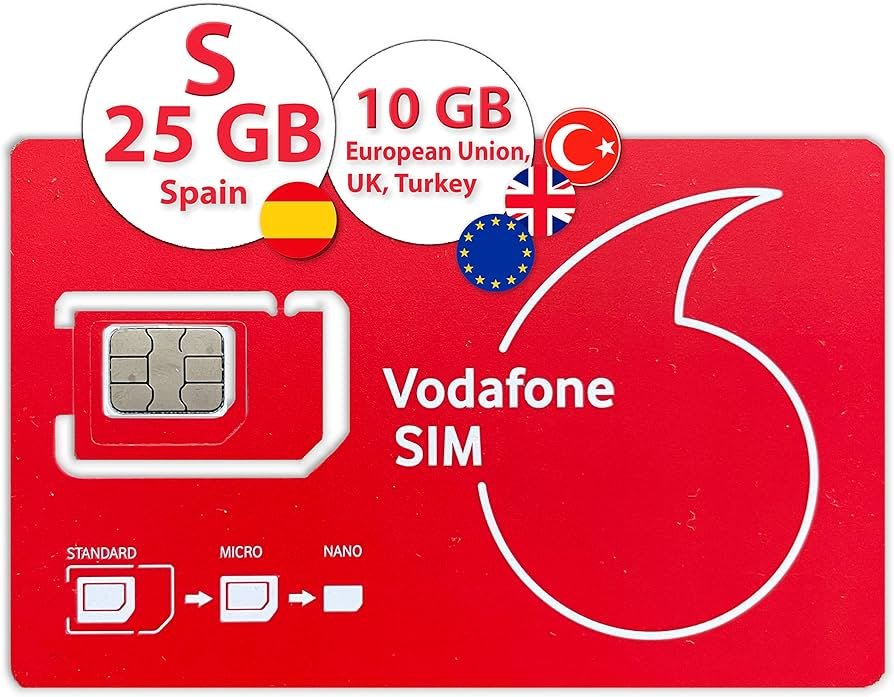
Pay-as-you-go mobile plans are often marketed as freedom—no contracts, no commitments, just simple, affordable access to data when you need it. On paper, an offer like 15 euros for hundreds of gigabytes sounds almost too good to refuse. But for many users, the reality tells a very different story.
What begins as a convenient deal can quickly turn into a frustrating cycle of unexpected cutoffs, early expirations, and constant recharges. Customers report that despite being promised large amounts of data—far more than they realistically use—their service mysteriously runs out long before the advertised period ends. A plan that is supposed to last a full month may barely stretch beyond ten days.
The issue isn’t always visible at first. During the day, everything may appear normal. But patterns emerge: data seems to drain faster at night, or connectivity suddenly drops without clear explanation. By the time users notice something is wrong, they are already being prompted to top up again.
Timing plays a role too. Many complaints point out that these cutoffs often happen late on weekends—especially Saturday nights—when customer support is harder to reach and alternatives are less accessible. In that moment, recharging feels less like a choice and more like a necessity. It creates a sense of pressure, almost as if the system is designed to push users into quick decisions rather than informed ones.
The result is a growing feeling of mistrust. What was advertised as a flexible, user-friendly service starts to look like a carefully structured trap. Customers aren’t just paying for data—they’re paying for uncertainty.
Transparency is the real issue at the heart of these frustrations. If data limits, throttling conditions, or expiration rules are not clearly explained, users are left guessing. And when people don’t understand what they’re paying for, even a cheap plan can feel like a ripoff.
Consumers deserve better. Clear terms, honest billing, and predictable service shouldn’t be luxuries—they should be standard. Until providers commit to that level of transparency, “pay-as-you-go” risks becoming less about freedom and more about fine print.
In the end, the lesson is simple: if a deal sounds too good to be true, it’s worth looking twice. Because sometimes, the cheapest option ends up costing the most—in money, time, and trust.